A price hike means an increase in the prices of goods and services that people use every day. When prices go up, people need to spend more money to buy the same things. This can include food items, transportation, books, clothes, electricity, and other daily necessities. Price hike is a common economic issue and affects both rich and poor people, though poor and middle-class families suffer more.
Easy on Price Hike Paragraph for SSC & HSC in 150, 200, 250, 300 words with Bangla meaning. Simple vocabulary for students to understand and memorize.
Students should understand price hike because it directly affects their daily life and education. When prices increase, families may find it hard to manage school fees, books, coaching costs, and other educational expenses. Learning about price hike also helps students understand basic economic problems and prepares them for exams, especially in subjects like English, economics, and social science.
Price hike is highly relevant in daily life and examinations. It is a common topic in paragraphs, essays, and comprehension questions in SSC and HSC exams. Many exam questions ask students to explain the causes and effects of price hike in simple words.
This article explains the concept of price hike in an easy and student-friendly way. It covers short and long paragraphs, exam-focused versions, causes, effects, and common questions related to price hike to help students learn clearly and score better in exams.
Price Hike Paragraph Easy Word
A price hike is an increase in the price of daily goods and services. When the prices of things go up, people have to pay more money to buy the same items. For example, when the prices of rice, vegetables, cooking oil, or milk increase, it becomes harder for families to manage their daily expenses. A price hike can also be seen in bus fares, train tickets, school books, notebooks, and uniforms.
Price hike affects everyone, but students and low-income families suffer the most. When transport costs rise, students need more money to go to school or college. When book prices increase, parents struggle to buy study materials for their children. Sometimes families have to reduce their spending on food or other needs because of high prices.
In simple words, a price hike makes life more expensive. It creates pressure on family budgets and causes worry among people. Understanding price hike helps students become aware of real-life problems and prepares them to answer exam questions easily.

Price Hike Paragraph for SSC
Price hike means the increase in the prices of essential goods and services in the market. When the prices of daily necessities go up, people need to spend more money to maintain their normal life. Price hike is a common problem in developing countries and it affects the overall economy.
There are several causes of price hike. The main causes include inflation, increase in fuel prices, shortage of supply, high transportation costs, and dependence on imported goods. Natural disasters and dishonest traders also play an important role in increasing prices by creating artificial scarcity.
The effects of price hike are very serious for students and families. Students face difficulty in buying books, stationery, and paying school fees. Families, especially middle- and low-income groups, struggle to manage food, house rent, education, and medical expenses. As a result, stress and frustration increase in daily life.
In conclusion, price hike is a serious social and economic problem that needs proper control to protect students and common people.
Price Hike Paragraph for HSC
Price hike refers to the continuous increase in the prices of goods and services that are necessary for daily life. It is a major economic problem that affects both urban and rural areas. When prices rise rapidly, the purchasing power of people decreases, and maintaining a decent standard of living becomes difficult.
There are various economic and social reasons behind price hike. Inflation is one of the main economic causes, as it reduces the value of money. An increase in fuel prices raises transportation and production costs, which directly increases market prices. Social factors such as overpopulation, poor market monitoring, hoarding by dishonest traders, and dependence on imported products also contribute to price hike.
The impact of price hike on education and living cost is very serious. Higher prices of food, house rent, transport, and utilities put pressure on family income. As a result, many families struggle to afford educational expenses like tuition fees, books, coaching, and internet costs. Students may face mental stress and reduced study focus due to financial problems at home.
In short, price hike is a serious issue that affects education and overall living standards, and it needs effective measures to protect students and common people.
Price Hike Paragraph in 150 Words
Price hike means an increase in the prices of daily goods and services. When prices rise, people need to spend more money to buy food, clothes, transport, and other necessary items. It is a common problem in many countries and affects normal life badly.
There are several causes of price hike. Inflation is one of the main reasons, as it reduces the value of money. An increase in fuel prices raises transportation and production costs. Shortage of supply, overpopulation, import dependency, and dishonest traders also cause prices to go up. Natural disasters sometimes worsen the situation by damaging crops and supply systems.
The effects of price hike are serious. Low- and middle-income families suffer the most. Students face problems buying books, paying school fees, and managing transport costs. Many families have to reduce food intake and other basic needs. Therefore, price hike is a serious issue that needs proper control for a stable society.
Price Hike Paragraph in 200 Words Easy
Price hike means the rise in the prices of goods and services that people use every day. When prices increase, people need more money to buy the same items. Common examples include the increase in the prices of rice, vegetables, cooking oil, bus fares, school books, and house rent. Price hike is a serious problem because it directly affects daily life.
There are many reasons behind price hike. Inflation is one of the main causes. When the value of money decreases, prices naturally go up. An increase in fuel prices raises transportation and production costs, which affects market prices. Shortage of goods, import dependency, population growth, and dishonest traders also play an important role in increasing prices. Sometimes natural disasters damage crops and reduce supply, causing prices to rise further.
The effects of price hike are severe, especially for students and low-income families. Parents struggle to manage food costs, education expenses, and medical bills. Students face difficulty in buying books, paying school fees, and using transport. In conclusion, price hike makes life difficult and needs proper control to protect students and common people.
Price Hike Paragraph in 250 Words
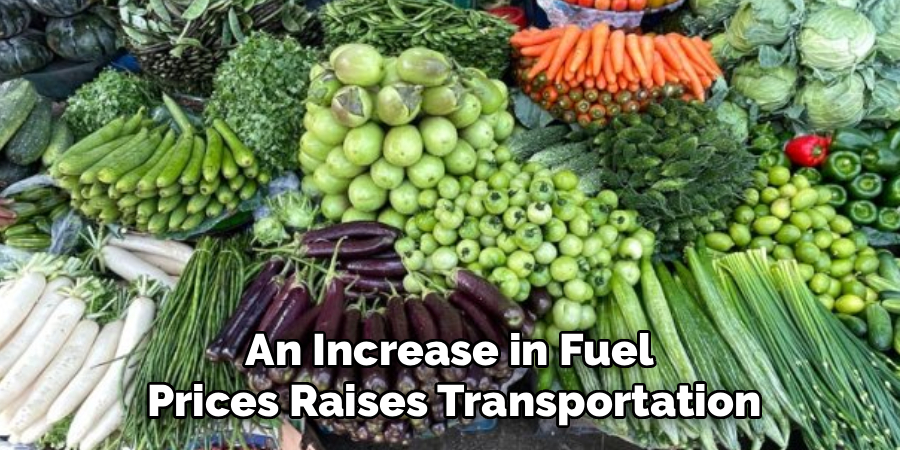
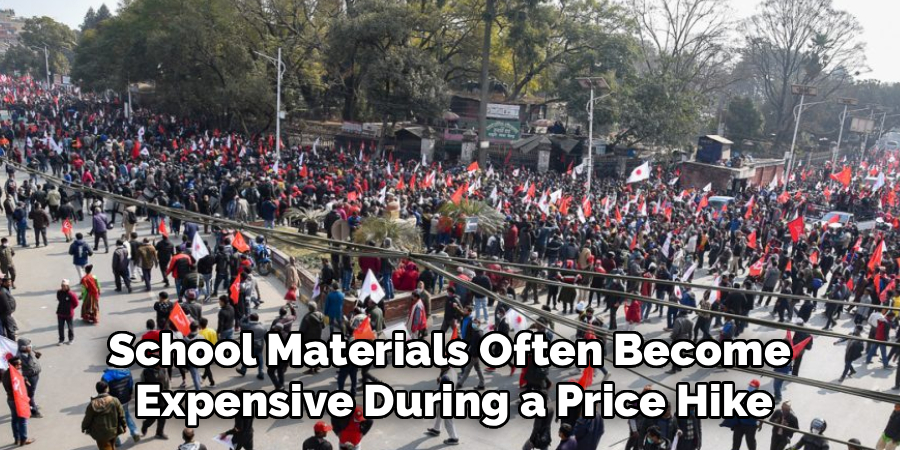
Price hike means the increase in the prices of goods and services that people need in their daily life. When prices go up, people have to spend more money to buy the same things. Items like rice, vegetables, cooking oil, transport fares, house rent, and school materials often become expensive during a price hike. This situation creates serious problems for common people.
There are many causes of price hike. Inflation is one of the main reasons because it reduces the value of money. When fuel prices increase, transportation and production costs also rise, which leads to higher market prices. Shortage of essential goods, overpopulation, dependence on imported products, and natural disasters also cause price hikes. In addition, some dishonest traders create artificial scarcity to earn extra profit.
The effects of price hike are very harmful. Low- and middle-income families suffer the most. Many people cannot afford proper food, healthcare, and education. Students face difficulties in buying books, paying school fees, and managing transport costs. Financial pressure at home often affects students’ mental peace and study performance.
To control price hike, effective steps are necessary. The government should monitor markets strictly and stop hoarding. Increasing local production can reduce dependence on imports. Fair distribution of goods and public awareness can also help control prices. In conclusion, price hike is a serious problem, and proper action is needed to protect students and society.
Price Hike Paragraph 300 Words
A price hike means a continuous increase in the prices of essential goods and services such as food, fuel, transportation, education, and healthcare. It is a serious economic problem that affects everyday life. When prices rise faster than people’s income, managing daily expenses becomes difficult. Price hikes reduce purchasing power and create financial pressure on families, especially in developing countries.
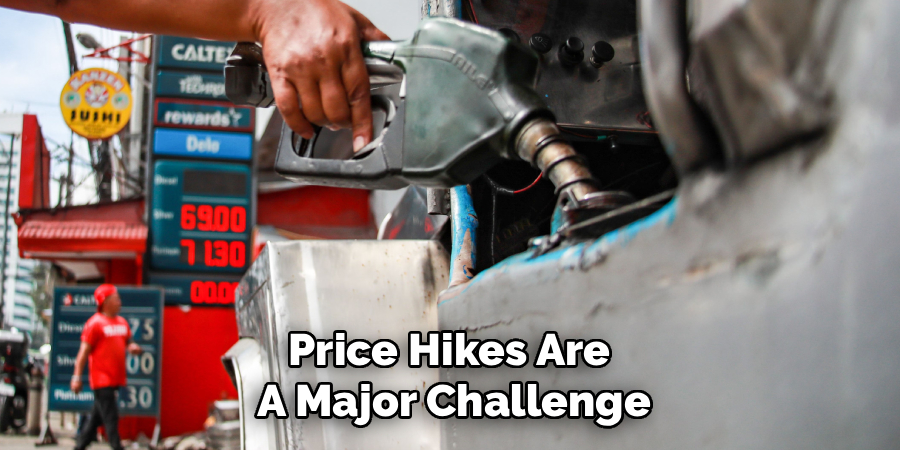
There are several national causes behind price hikes. One major reason is the increase in fuel prices. When fuel becomes expensive, transportation and production costs rise, which directly increases the price of goods. Higher production costs, including raw materials and labor, also force producers to charge more. In addition, excessive taxes, weak market monitoring, and the role of middlemen contribute to rising prices. Natural disasters like floods or droughts can reduce agricultural output, leading to food shortages and higher prices.
Global causes also play a significant role in price hikes. Wars and political conflicts disrupt global trade and supply chains. Global inflation increases the cost of imported goods. Rising international oil prices affect transportation and manufacturing worldwide, which ultimately increases local prices. Changes in currency value and global economic instability further worsen the situation.
The long-term effects of price hikes on society are serious. Poor people struggle to afford basic needs, while middle-class families lose savings and reduce spending on education and healthcare. Social inequality increases, and overall economic stability is threatened.
In conclusion, price hikes are a major challenge that requires awareness and responsible action. Students should understand this issue, avoid waste, and stay informed. Awareness today will help them become responsible citizens who can contribute to a balanced and stable economy in the future.
Price Hike Paragraph with Bangla Meaning
মূল্যবৃদ্ধি বলতে পণ্য ও সেবার দামের বৃদ্ধি বোঝায়। মূল্যবৃদ্ধি মানুষের দৈনন্দিন জীবনে বড় প্রভাব ফেলে এবং জীবনযাপনকে কঠিন করে তোলে। যখন নিত্যপ্রয়োজনীয় জিনিসের দাম বেড়ে যায়, তখন সাধারণ মানুষ সহজে তাদের প্রয়োজন মেটাতে পারে না। জ্বালানির দাম বৃদ্ধি মূল্যবৃদ্ধির একটি প্রধান কারণ। জ্বালানির দাম বাড়লে পরিবহন ও উৎপাদন খরচ বেড়ে যায়, ফলে পণ্যের দামও বাড়ে। কম কৃষি উৎপাদন এবং প্রাকৃতিক দুর্যোগের কারণেও বাজারে পণ্যের ঘাটতি দেখা দেয়, যা দাম বাড়িয়ে দেয়।
মূল্যবৃদ্ধির প্রভাব সবচেয়ে বেশি পড়ে দরিদ্র ও মধ্যবিত্ত মানুষের ওপর। তারা খাবার, শিক্ষা ও চিকিৎসার খরচ ঠিকমতো চালাতে হিমশিম খায়। অনেক পরিবার সঞ্চয় কমিয়ে দিতে বাধ্য হয় এবং জীবনমান নিচে নেমে যায়। দীর্ঘমেয়াদে মূল্যবৃদ্ধি সমাজে বৈষম্য বাড়ায় এবং অর্থনৈতিক স্থিতিশীলতা নষ্ট করে।
মূল্যবৃদ্ধি নিয়ন্ত্রণের জন্য সরকারের উচিত বাজার তদারকি জোরদার করা এবং অসাধু ব্যবসায়ীদের বিরুদ্ধে ব্যবস্থা নেওয়া। শিক্ষার্থীদেরও এই বিষয়ে সচেতন হওয়া দরকার। অপচয় কমানো, দায়িত্বশীল আচরণ করা এবং অর্থনৈতিক বিষয় সম্পর্কে জ্ঞান অর্জন করলে ভবিষ্যতে তারা দেশের জন্য সচেতন ও দায়িত্ববান নাগরিক হিসেবে গড়ে উঠতে পারবে।
Causes of Price Hike
Price hikes occur due to several economic and environmental reasons. One of the main causes is inflation. Inflation reduces the value of money, which means people need to pay more to buy the same goods and services. As production costs increase, sellers raise prices to maintain profit.
Another important cause is supply shortage. When the supply of goods is lower than demand, prices naturally go up. This shortage can happen due to low production, transportation problems, or hoarding by traders. Essential items like food and daily necessities are often affected by supply shortages.
High fuel cost is also a major reason for price hikes. Fuel is used in transportation, production, and electricity generation. When fuel prices increase, the cost of transporting and producing goods rises. This extra cost is added to the final price paid by consumers.
Import dependency makes a country more vulnerable to price hikes. When a country depends heavily on imported goods, any increase in global prices or changes in currency value directly affects local markets. Imported fuel, food, and raw materials become more expensive.
Finally, natural disasters such as floods, cyclones, droughts, and earthquakes can destroy crops and disrupt supply chains. This reduces the availability of goods in the market and leads to higher prices.
Effects of Price Hike on Students
Price hikes have a direct impact on students’ lives, affecting their education, health, and overall well-being. One of the main effects is increased education expenses. As the cost of school supplies, tuition fees, transportation, and coaching classes rise, many families find it difficult to support their children’s studies. This can lead to limited access to quality education.
Another serious effect is reduced nutrition. When families have to spend more on basic necessities due to price hikes, students may get less nutritious meals. Poor nutrition affects their concentration, energy levels, and overall growth.
Price hikes also cause mental stress. Worrying about finances, paying for school, and managing daily life can create anxiety and pressure on students. Stress can reduce academic performance and harm mental health.
In extreme cases, price hikes increase the risk of dropouts. Students from low- and middle-income families may be forced to leave school or college due to financial strain. This disrupts their education and limits future opportunities.
Overall, price hikes not only affect families but also create long-term challenges for students. Awareness, support from schools and governments, and careful planning can help minimize these effects.
How Price Hike Affects Bangladesh
Price hikes have a significant impact on the daily lives of people in Bangladesh. Daily commodity prices such as rice, vegetables, and cooking essentials rise rapidly when inflation occurs. This makes it difficult for families to afford basic food items and maintain a balanced diet.
Transport and fuel costs also increase when prices go up. Higher fuel prices make public and private transportation more expensive, affecting daily commuting and goods delivery. This adds to the overall cost of living for every household.
Education and healthcare are directly affected by price hikes. School fees, tuition, and stationery costs increase, making it harder for middle-class and poor families to support their children’s education. Similarly, medical treatment, medicines, and hospital expenses become more expensive, reducing access to essential healthcare.
Finally, living standards decline as families have to cut down on spending. Many households reduce savings, compromise on food quality, and postpone important purchases. Price hikes create financial stress and increase social inequality, especially affecting low- and middle-income groups.
In summary, price hikes in Bangladesh impact almost every aspect of daily life, from basic necessities to education and healthcare, ultimately lowering overall living standards and putting pressure on families to manage their budgets carefully.
Solutions to Control Price Hike
There are several ways to control price hike and make life easier for people.
- Government Monitoring: The government can regularly check market prices and ensure that traders do not charge extra. Proper monitoring helps prevent unfair price increases.
- Fair Market Practices: Traders should follow fair rules and avoid hoarding or creating artificial scarcity. Fair practices keep prices stable and protect consumers.
- Reducing Corruption: Corruption in trade and supply chains often increases prices. Reducing corruption helps lower unnecessary costs and prevents price manipulation.
- Increasing Local Production: Producing more goods locally reduces dependency on imports. When supply increases, prices remain reasonable, and basic needs become more affordable.
- Public Awareness: Educating people about price hike and how to avoid unnecessary spending can help control demand. Informed consumers can make better choices and reduce the impact of rising prices.
These solutions, if applied together, can help control price hike and make daily life easier for students, families, and the general public.
Importance of Learning About Price Hike for Students
Learning about price hike is very important for students. It improves general knowledge by helping them understand how daily life and the economy are connected. When students know why prices rise and how it affects families, they can relate it to real-world situations.
Understanding price hike also helps in exams. Many questions in SSC and HSC ask students to write paragraphs or essays on price hike. Knowing the causes, effects, and solutions makes it easier to answer these questions correctly and score better marks.
Studying price hike builds economic awareness. Students learn about money value, inflation, supply and demand, and other basic economic concepts. This knowledge helps them make better decisions in daily life, such as managing pocket money or planning for future expenses.
Finally, learning about price hike encourages responsible citizenship. Students become aware of social and economic issues in their country and understand the importance of fair trade, honesty, and helping others during difficult times. This awareness helps them grow into thoughtful and responsible adults.
Frequently Asked Questions
What does a price hike mean?
A price hike is when the prices of goods and services increase over a period of time. It is a common economic problem that affects families, students, and businesses alike. When prices rise, people have to spend more money to buy the same items they used to afford easily. Price hikes can happen due to several reasons such as inflation, shortage of goods, high transportation costs, and natural disasters. Understanding what a price hike means helps students and citizens manage their daily expenses and make informed decisions.
What is a synonym for hike in price?
A “hike in price” means that the cost of goods or services goes up. There are several words that can be used instead of “hike” to explain this increase in everyday language. Using synonyms helps students understand and write better paragraphs or essays about price changes. It also improves vocabulary for exams and daily conversations.
Some common synonyms for hike in price are:
- Increase – When prices go up, we say there is an increase in price. For example, “There is an increase in the price of vegetables this week.”
- Rise – This is another simple word to show that prices are going higher. Example: “The rise in fuel prices affects transportation costs.”
- Boost – Boost is used when prices go up suddenly or significantly. Example: “A boost in electricity bills can create problems for families.”
- Jump – This word is used for a quick or noticeable increase in prices. Example: “The jump in rice prices has worried many people.”
These synonyms can be used interchangeably in writing or speaking to make explanations more clear and varied.
What is a Hike in Business?
In business, a hike refers to an increase in the prices of products or services offered by a company. Price hikes in business happen for several reasons and can affect both the company and its customers. Businesses often adjust their prices to cover rising costs or to maintain profitability. Understanding price hikes in business is important for students studying economics, commerce, or business-related subjects, as it explains how market forces work and how financial decisions are made.
- Increase in product or service prices: Companies may raise the prices of goods like food items, electronics, or clothing when production costs go up. Services such as transport, education, or utilities can also see a price hike.
- Often due to cost growth: Businesses increase prices to cover higher costs of raw materials, labor, fuel, rent, or other operational expenses. This ensures the business remains profitable.
- Affects customers and profit: Price hikes can reduce demand if customers find products too expensive. On the other hand, if managed carefully, it helps businesses maintain or increase profit margins.
A price hike in business is therefore a normal economic practice but needs to be balanced so that it does not create a negative impact on customers or the market.
Why is there a price hike in Bangladesh?
Price hike in Bangladesh is a common problem that affects daily life. Several economic and social factors cause the prices of goods and services to rise, making it harder for families to manage their expenses.
- Inflation: The general increase in prices reduces the value of money.
- High fuel prices: Rising fuel costs increase transportation and production expenses.
- Import dependency: Relying on imported goods makes prices higher when international costs rise.
- Supply chain problems: Delays or shortages in distribution create scarcity and push prices up.
Does hike mean increase?
A hike means an increase or rise in something. It is commonly used to describe prices, salaries, rent, or other costs.
How do you say increase in price?
When the prices of goods or services go up, there are several ways to describe this increase in simple words. People often use different terms depending on the context, but all mean that something has become more expensive.
- Price hike
- Price rise
- Price increase
What’s the word when prices go up?
When the prices of goods and services increase, there are several words we can use to describe this situation. These terms are commonly used in daily life and in economics to explain the rise in cost.
- Inflation – A general increase in prices over time.
- Price rise – A simple term for when the cost of an item goes up.
- Price hike – A noticeable or sudden increase in prices.
What do you mean by hike?
A hike means a sudden or noticeable increase in something, usually in price, salary, or cost. It shows that the value of an item or service has gone up compared to before.
What is the meaning of hike in work?
In work or employment, the term “hike” usually refers to an increase given by the employer. It can relate to salary, allowances, or sometimes workload. A hike is often decided after evaluating performance, company policies, or economic conditions.
Conclusion
Price hike means an increase in the prices of daily goods and services, which makes life more expensive for everyone. It affects families, students, and the overall economy. Controlling price hike is important to ensure that essential items remain affordable and people can live a stable life.
Both students and the government have roles in addressing this problem. Students can stay aware of economic issues and understand the causes and effects of price hike. The government can take proper measures such as monitoring markets, controlling inflation, reducing corruption, and encouraging local production.
With awareness and effective action, the impact of price hike can be reduced. By learning about price hike, students can contribute to spreading knowledge and understanding in society. Proper management and education can make life easier and more stable for everyone.
More Paragraph :