Deforestation Paragraph for Class 7,8,9,10, SSC & HSC in 150 Words is written for easy exam preparation. Read and share to help protect our forests. This paragraph helps students understand why forests are important for the environment and how deforestation affects human life, wildlife, and climate. It is suitable for school exams, assignments, and general knowledge preparation for secondary and higher secondary students.
Deforestation means cutting down trees and clearing forests on a large scale. When forests are removed and not replanted, it is called deforestation. Forests are very important for the environment because they provide oxygen, shelter for animals, and help keep the climate balanced.
Deforestation is an important topic for students because it directly affects human life, animals, and nature. Students are the future caretakers of the environment. Understanding deforestation helps them learn how human activities can harm nature and why protecting forests is necessary for a healthy planet.
The main causes of deforestation include cutting trees for farming, building houses and roads, using wood for fuel, and industrial development. The effects of deforestation are serious. It causes climate change, loss of wildlife, soil erosion, floods, and irregular rainfall.
Students should learn about deforestation to become aware, responsible, and environmentally conscious citizens. By learning this topic, students can develop good habits, spread awareness, and take small steps to protect trees and save the environment for future generations.
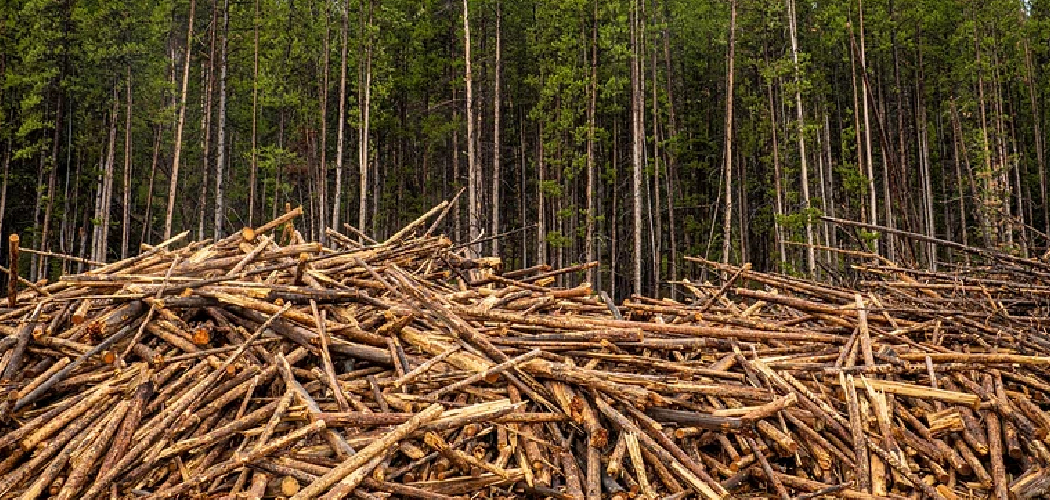
Deforestation Paragraph for Class 7
Deforestation means cutting down trees in large numbers. When people cut trees and do not plant new ones, forests slowly disappear. Trees are very important because they give us oxygen and keep the air clean.
People cut trees to build houses, roads, and farms. Trees are also cut to get wood and paper. When too many trees are cut, animals lose their homes and the weather becomes very hot. It also causes floods and less rainfall.
Deforestation is harmful to nature and human life. We should plant more trees and stop unnecessary tree cutting. Saving trees is important to protect the environment and make the Earth a better place to live.
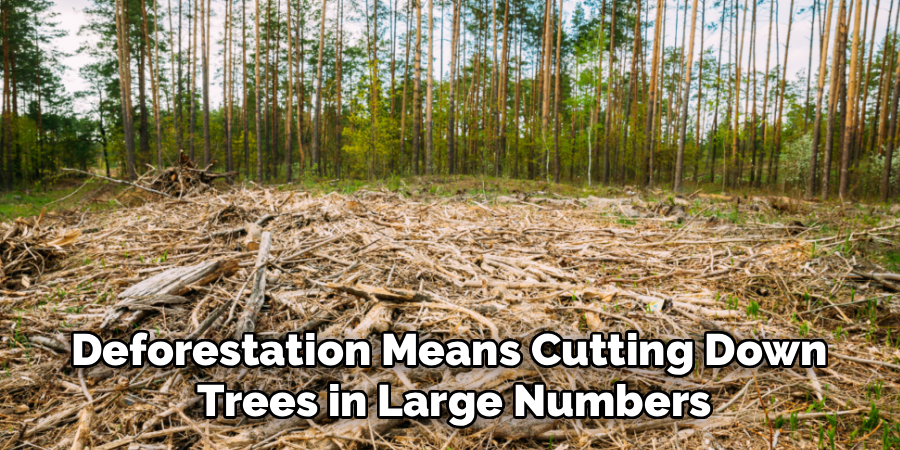
Deforestation Paragraph for Class 8
Deforestation means cutting down trees and clearing forests on a large scale. It happens when people remove trees to make space for farming, houses, roads, and factories. Trees are also cut to get wood for furniture, paper, and fuel. These activities are the main causes of deforestation.
Deforestation has many harmful effects on the environment. When trees are cut, animals lose their natural homes and many species become endangered. Trees help keep the air clean by taking in carbon dioxide and giving out oxygen. Without trees, the temperature of the Earth increases, which leads to global warming. Deforestation also causes soil erosion, floods, and irregular rainfall.
Forests are very important for maintaining natural balance. To reduce deforestation, we should plant more trees, save paper, and protect forest areas. Students should learn about deforestation so they can help save trees and protect the environment for the future.
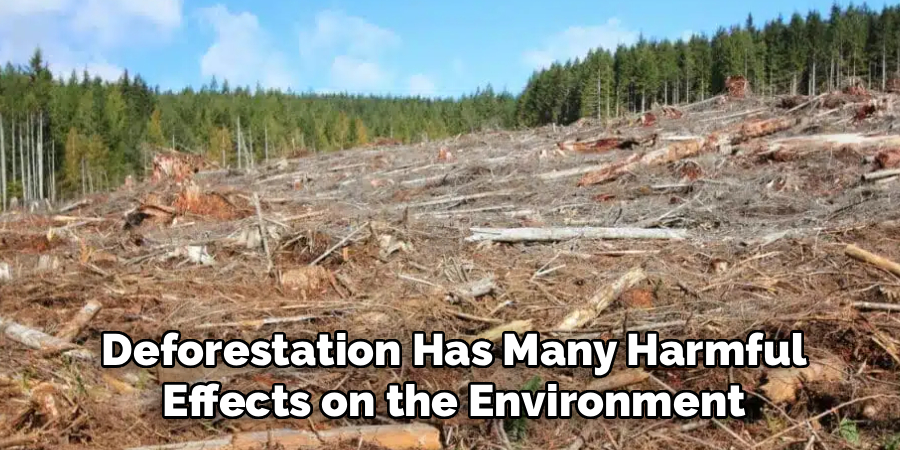
Deforestation Paragraph for Class 9
Deforestation means the large scale cutting down of trees and clearing of forest areas for human use. When trees are removed and not replanted, forests slowly disappear. Deforestation is a serious environmental problem that affects nature, wildlife, and human life. It mainly happens due to human activities.
The major causes of deforestation include agricultural expansion, urbanization, and industrial development. Forests are cleared to grow crops, build houses, roads, factories, and dams. Trees are also cut for wood, paper, furniture, and fuel. Rapid population growth increases the demand for land and natural resources, which leads to more deforestation. Forest fires, both natural and man made, also destroy large forest areas.
The effects of deforestation are harmful. It causes loss of wildlife and biodiversity because animals lose their natural habitats. Trees absorb carbon dioxide and release oxygen. When forests are destroyed, the amount of carbon dioxide increases, leading to global warming and climate change. Deforestation also causes soil erosion, floods, droughts, and irregular rainfall. The natural balance of the environment is disturbed.
Deforestation is a threat to the future of the Earth. To reduce it, people should plant more trees, use forest resources carefully, and follow environmental laws. Students should be aware of this problem and help protect forests.
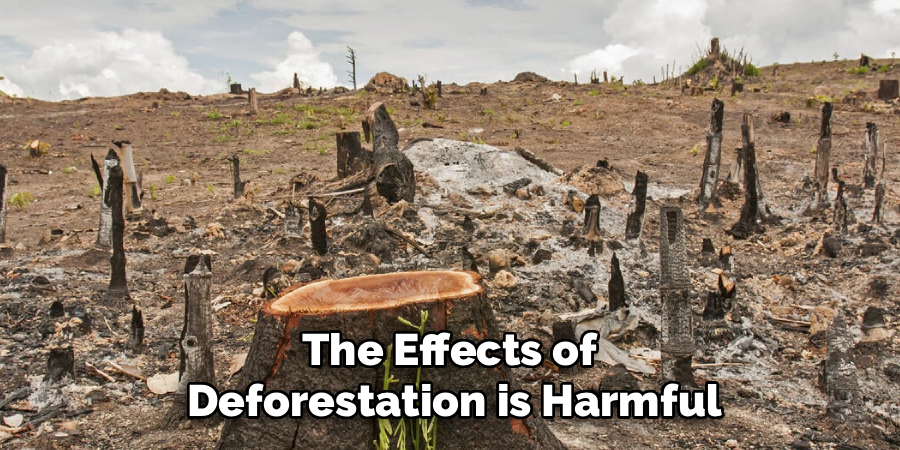
Deforestation Paragraph for Class 10
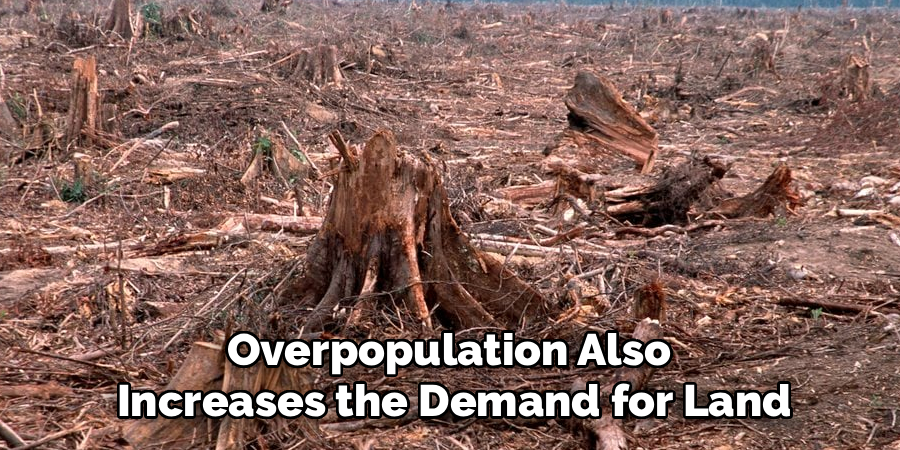
Deforestation is the large-scale removal of trees from forests without replanting. It is a major environmental issue that affects both nature and human life. Forests are cleared for agriculture, urban development, industrial projects, and to obtain wood for fuel and paper. Overpopulation also increases the demand for land, which leads to more tree cutting.
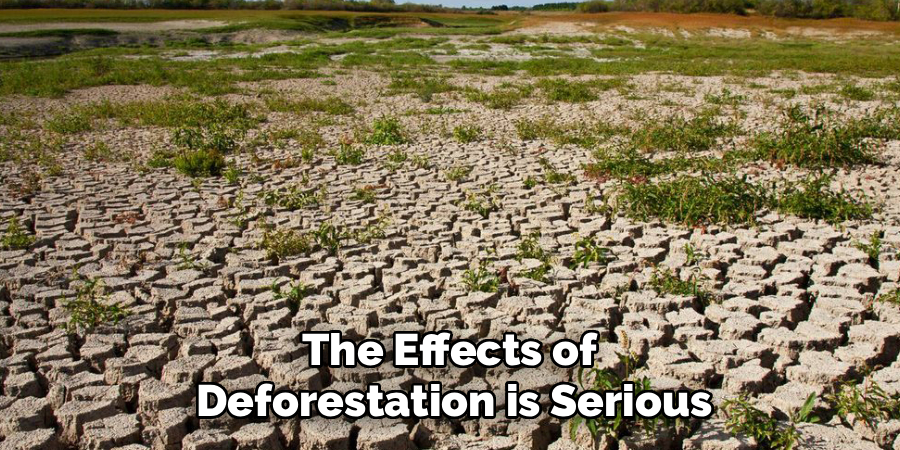
The effects of deforestation are serious. It causes loss of wildlife and biodiversity, as animals lose their natural homes. Trees absorb carbon dioxide and produce oxygen, so cutting them increases greenhouse gases, leading to global warming and climate change. Deforestation also results in soil erosion, floods, droughts, and irregular rainfall, disturbing the balance of nature.
Prevention of deforestation is very important. Planting trees, using forest resources responsibly, following environmental laws, and creating public awareness can help protect forests. Students and communities can play a key role by planting trees and spreading knowledge about the importance of forests. Protecting forests ensures a healthy environment and a sustainable future for all.
Deforestation Paragraph for SSC
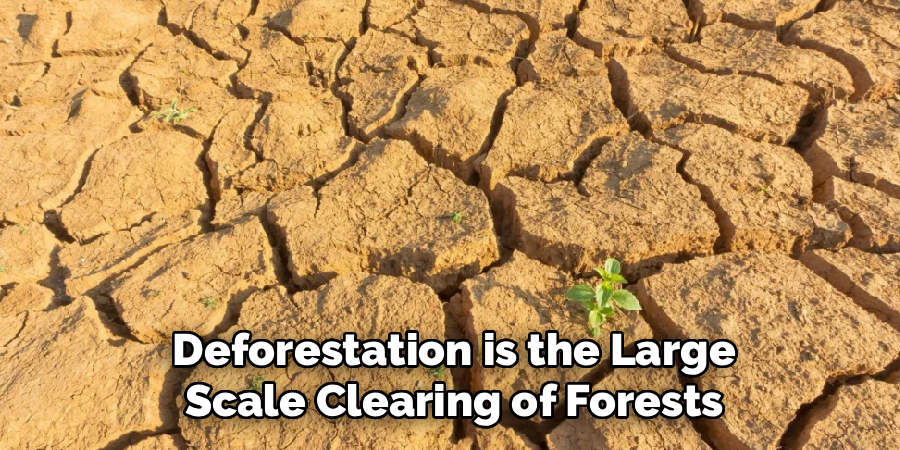
Deforestation refers to the large-scale removal of trees and clearing of forested land for human purposes without replanting. It is a critical environmental issue that affects the ecosystem, climate, and biodiversity. Forests are essential for maintaining ecological balance, and their destruction has far-reaching consequences.
The primary causes of deforestation include agricultural expansion, urbanization, industrial development, and logging for wood and paper. Rapid population growth and overuse of forest resources further increase pressure on forests. Natural factors, such as forest fires, also contribute to the loss of trees.
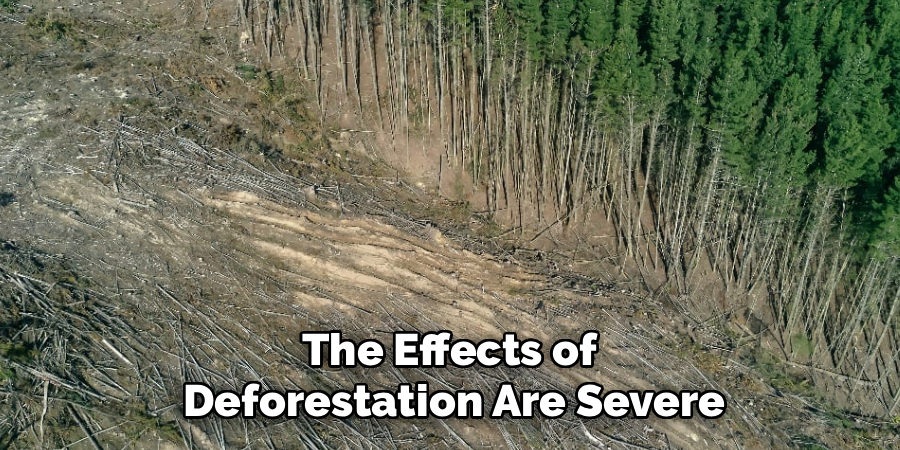
The effects of deforestation are severe. It leads to the loss of wildlife habitats and biodiversity. Trees play a vital role in absorbing carbon dioxide and producing oxygen; their removal accelerates global warming and climate change. Soil erosion, irregular rainfall, floods, and droughts are also common consequences. Overall, deforestation disturbs the natural balance of the environment.
To address this problem, afforestation and reforestation programs should be promoted. Strict enforcement of forest protection laws, sustainable use of forest resources, and public awareness campaigns are essential. Students and communities can contribute by planting trees, conserving paper, and spreading knowledge about the importance of forests. Protecting forests is crucial for environmental sustainability and a healthy future.
Deforestation Paragraph for HSC
Deforestation is the large-scale clearing of forests and the removal of trees without adequate replanting. It is one of the most significant environmental challenges, affecting ecosystems, climate patterns, and biodiversity. Forests play a crucial role in maintaining ecological stability, regulating temperature, preserving soil, and supporting wildlife. The loss of forests has profound and long-term environmental consequences.
The primary causes of deforestation include agricultural expansion, urbanization, industrialization, and logging for timber and paper. Population growth and increasing demand for land and natural resources further accelerate forest destruction. In addition, forest fires, both natural and human-induced, contribute to large-scale tree loss.
Deforestation has serious environmental impacts. It leads to the extinction of numerous plant and animal species by destroying their habitats. The reduction in tree cover increases carbon dioxide levels in the atmosphere, contributing to global warming and climate change. Soil erosion, reduced rainfall, floods, and droughts are common consequences. Moreover, deforestation disrupts the water cycle and diminishes the Earth’s capacity to support life sustainably.
Long-term consequences of deforestation include irreversible loss of biodiversity, disruption of food chains, and negative impacts on human health and agriculture. To mitigate these effects, afforestation, reforestation, sustainable forest management, and strict enforcement of environmental laws are essential. Public awareness and active participation of students, communities, and governments are critical to protecting forests and ensuring ecological balance for future generations.
Deforestation Paragraph 150 Words
Deforestation is the large-scale cutting down of trees and clearing of forest areas without replanting. It happens when humans remove trees for agriculture, urban development, industries, and to collect wood for fuel, paper, and furniture. Rapid population growth and overuse of land also increase deforestation.
The effects of deforestation are serious. Animals lose their homes, and many species become endangered or extinct. Trees help clean the air by absorbing carbon dioxide and producing oxygen. When forests are destroyed, global warming and climate change increase. Soil erosion, floods, droughts, and irregular rainfall are also common problems caused by deforestation.
To stop deforestation, people should plant more trees, follow forest protection laws, and use forest resources carefully. Public awareness, sustainable farming, and tree plantation programs can also help. Students and communities can play an important role by saving paper, planting trees, and teaching others about the importance of forests. Protecting forests ensures a healthy environment and a better future for everyone.
What Is Deforestation?
Deforestation means cutting down trees and clearing forests without planting new trees. In simple words, when a large number of trees are removed from an area and the land is used for other purposes, it is called deforestation.
We can see deforestation in real life when forests are cleared to build houses, roads, factories, or farms. For example, trees are often cut to make space for cities or to grow crops. Many trees are also cut to collect wood for furniture, paper, and fuel. When this happens again and again, forest areas become smaller.
This topic is suitable for school students because it explains how human activities affect nature. Forests are very important for the natural environment. They give us oxygen, help control temperature, bring rainfall, and provide homes for animals and birds. Without forests, the balance of nature is disturbed, and life on Earth becomes difficult for both humans and animals.
Causes of Deforestation
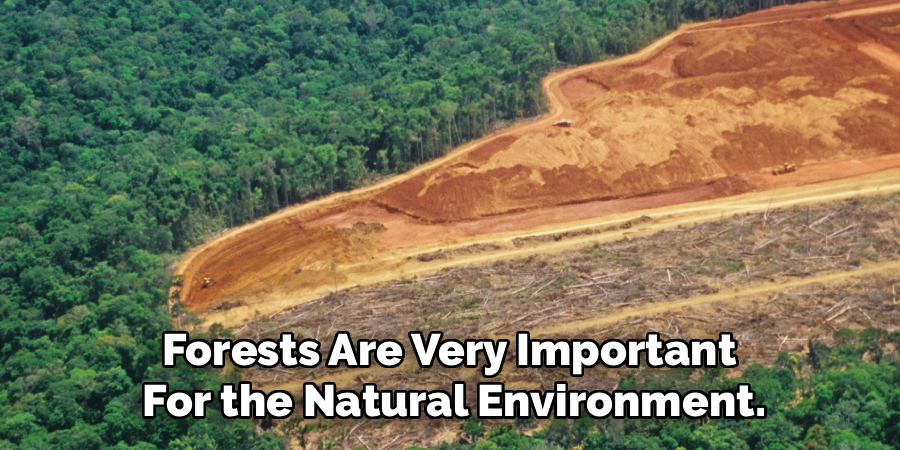
Deforestation happens mainly because of human activities. One of the biggest causes is cutting trees for agriculture. Forest land is cleared to grow crops or create farmland to meet the food needs of the growing population. As farming increases, many forests are destroyed.
Urbanization and city expansion are also major causes of deforestation. Trees are cut to build houses, roads, schools, and markets. As cities grow larger, nearby forest areas are often cleared to make space for new buildings and infrastructure.
Industrial development leads to deforestation as well. Factories, dams, and mining projects require large areas of land. To set up these projects, forests are often removed, which harms the environment.
Logging for wood and paper is another important cause. Trees are cut to make furniture, paper, books, and fuel. When trees are cut faster than they are replanted, it results in deforestation.
Forest fires also destroy large areas of forests. Some fires occur naturally, but many are caused by human carelessness. These fires kill trees, animals, and plants.
Overpopulation puts pressure on natural resources. As the population increases, the demand for land, food, and wood also increases. This leads to more tree cutting and faster deforestation.
Effects of Deforestation
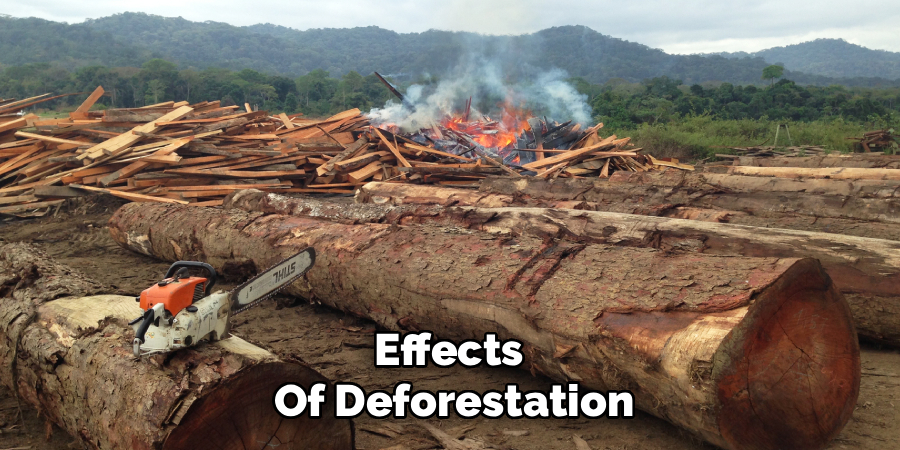
Deforestation has many harmful effects on the environment and living beings. One major effect is the loss of wildlife and biodiversity. Forests are homes for many animals, birds, and plants. When trees are cut down, these living beings lose their shelter and food. Many species become endangered or extinct because they cannot survive without forests.
Deforestation also causes climate change and global warming. Trees absorb carbon dioxide from the air and help keep the Earth cool. When forests are destroyed, more carbon dioxide stays in the atmosphere, which increases temperature. This leads to global warming and extreme weather conditions.
Another serious effect is soil erosion and floods. Tree roots hold the soil together. When trees are removed, the soil becomes loose and is easily washed away by rain. This causes floods and reduces soil fertility, which affects farming.
Deforestation leads to irregular rainfall as well. Forests help maintain the water cycle by releasing moisture into the air. Without trees, rainfall becomes uneven, causing droughts in some areas and heavy rain in others.
Overall, deforestation causes a loss of natural balance. It disturbs the relationship between humans, animals, plants, and nature. This imbalance creates long term environmental problems that affect life on Earth.
Importance of Forests
Forests play a very important role in oxygen production. Trees take in carbon dioxide and release oxygen during the process of photosynthesis. This oxygen is essential for humans, animals, and all living beings to survive. Without forests, the quality of air would become poor and breathing would become difficult.
Forests also help in climate control. They reduce heat by providing shade and cooling the air. Trees absorb greenhouse gases and help control global warming. Forests also help maintain rainfall and prevent extreme weather conditions such as droughts and floods.
Forests are important for both animals and humans. Many animals depend on forests for food, shelter, and safety. Humans depend on forests for clean air, water, food, and medicine. Forests also support the lives of people who live near them.
Forests have great economic and environmental value. They provide wood, paper, fruits, and other resources that support many industries. At the same time, forests protect soil, preserve biodiversity, and keep the environment healthy. Protecting forests is necessary for sustainable development and a better future.
How to Stop Deforestation
Deforestation can be reduced by following proper government rules and laws. Governments can make strict laws to stop illegal tree cutting and protect forest areas. Forest guards and environmental policies help ensure that trees are not cut without permission.
Tree plantation programs are another effective way to stop deforestation. Planting new trees helps replace the trees that have been cut. Governments, schools, and organizations can arrange tree plantation campaigns to increase green cover and restore forests.
Public awareness plays an important role in preventing deforestation. When people understand the importance of trees and forests, they become more careful about protecting them. Awareness programs, media, and education can teach people how deforestation harms the environment.
Sustainable use of forest resources is also necessary. Trees should be cut only when needed, and new trees should be planted regularly. Using alternatives to wood and recycling paper can help reduce pressure on forests.
Students and community members have an important role to play. Students can plant trees, save paper, and spread awareness among others. Communities can work together to protect nearby forests and stop illegal activities. Small efforts by everyone can help stop deforestation and protect nature.
Role of Students in Preventing Deforestation
Students can play an important role in preventing deforestation and protecting the environment. One effective way is through tree plantation activities. Students can organize or participate in planting trees in schools, communities, and nearby areas to increase green cover and replace lost forests.
Saving paper is another simple but important step. Using both sides of a paper, recycling old books, and avoiding unnecessary paper waste help reduce the demand for cutting trees.
Creating awareness is also vital. Students can educate family, friends, and community members about the harmful effects of deforestation and the importance of protecting forests. They can use posters, social media, and presentations to spread knowledge.
Protecting nearby trees is another responsibility. Students should take care of trees in school compounds and local areas, ensuring they are not cut or damaged. Small actions by students can make a big difference in preserving forests.
Afforestation and Its Importance
Afforestation means planting trees in areas where there were no previous forests or where forests have been completely destroyed. It is the process of creating new forest cover to restore the environment and maintain ecological balance.
The main difference between deforestation and afforestation is that deforestation involves cutting down trees and reducing forest areas, while afforestation involves planting trees to increase forest cover. While deforestation harms nature, afforestation helps repair environmental damage.
Afforestation has many benefits. It helps control climate change by absorbing carbon dioxide and producing oxygen. It prevents soil erosion, reduces the risk of floods, and maintains rainfall patterns. It also provides homes for animals, birds, and insects, supporting biodiversity. Moreover, afforestation improves air quality, creates green spaces for humans, and contributes to sustainable development. Planting trees through afforestation is essential for a healthy environment and a balanced ecosystem.
FAQ Section for Deforestation Paragraph
What is the definition of deforestation?
Deforestation is the large-scale cutting down of trees and clearing of forests without replanting. It happens when land is cleared for farming, urban development, industries, or to collect wood for fuel and paper. This process reduces the number of trees and harms the natural environment. Deforestation also destroys the homes of many animals and plants, affecting the balance of nature.
What is the effect of deforestation?
Deforestation causes serious harm to the environment and living beings. When forests are removed, the natural balance is disturbed, and both humans and animals face many problems. Some of the main effects are:
- Climate change and global warming
- Loss of wildlife and biodiversity
- Soil erosion and reduced soil fertility
- Floods and droughts
- Disruption of rainfall patterns
- Loss of natural balance in the environment
How do we stop deforestation?
Deforestation can be controlled if everyone takes responsibility for protecting forests. There are simple steps that people, students, and communities can follow to reduce tree cutting and preserve the environment:
- Plant more trees to replace the ones that are cut
- Use paper wisely and recycle to reduce the demand for wood
- Follow forest protection laws and avoid illegal tree cutting
- Spread awareness about the importance of forests and the dangers of deforestation
- Support tree plantation and environmental programs in schools and communities
- Practice sustainable use of forest resources to reduce pressure on forests
Why do we stop deforestation?
Stopping deforestation is very important to protect life on Earth. Cutting down trees without care can cause many problems for humans, animals, and the environment. The main reasons to prevent deforestation are:
- To protect the environment and maintain natural balance
- To save animals by preserving their natural habitats
- To control climate change and reduce global warming
- To ensure a safe and healthy future for the coming generations
- To prevent soil erosion, floods, and droughts
- To maintain clean air and water for all living beings
How to Save Trees 10 Points?
Saving trees is important for a healthy environment and a better future. Here are ten simple ways to protect trees:
- Plant trees regularly in your community, school, or home
- Avoid wasting paper and use it carefully
- Recycle old paper, books, and cardboard
- Stop illegal logging and report unauthorized tree cutting
- Support green programs and tree plantation campaigns
- Use digital notes instead of paper whenever possible
- Protect existing forests and trees in your area
- Join awareness campaigns to educate others about tree conservation
- Teach family, friends, and classmates the importance of trees
- Respect nature and encourage others to care for the environment
What are 10 ways to stop deforestation?
Deforestation can be reduced if people, communities, and governments work together. Here are ten effective ways to stop it:
- Organize tree plantation programs to replace lost forests
- Enforce forest protection laws strictly to prevent illegal cutting
- Reduce the use of wood and paper by recycling and using alternatives
- Practice sustainable farming to avoid clearing more forest land
- Conduct awareness programs to educate people about the importance of trees
- Protect wildlife by conserving their natural habitats
- Encourage community involvement in forest protection activities
- Promote reforestation to restore damaged forests
- Use eco-friendly products to reduce pressure on forest resources
- Take government action for policies that support forest conservation and environmental sustainability
What are the 5 ways to help solve environmental problems?
There are simple steps everyone can take to protect the environment and reduce harm to nature. Five effective ways are:
- Save trees by planting new ones and protecting existing forests
- Reduce pollution by avoiding littering and controlling emissions
- Use renewable energy sources like solar and wind power instead of fossil fuels
- Reduce waste by recycling, reusing, and avoiding unnecessary items
- Protect wildlife by conserving their habitats and preventing poaching
What are the effects of deforestation and afforestation?
Deforestation and afforestation have opposite effects on the environment. Deforestation causes serious harm, while afforestation helps restore balance.
- Deforestation causes harm to nature by destroying forests, reducing oxygen, and increasing carbon dioxide in the air
- Afforestation restores balance by planting trees in deforested areas
- Improves climate as more trees help control temperature and rainfall patterns
- Protects soil by preventing erosion and maintaining fertility
- Saves biodiversity by providing homes for animals, birds, and plants
What is deforestation for kids?
Deforestation is when people cut down many trees and do not plant new ones. This makes forests smaller and reduces the homes and food for animals. It is harmful to both animals and humans because trees give us oxygen, clean air, and help keep the Earth healthy.
Key points:
- Cutting trees without planting new ones
- Forests becoming smaller
- Harmful to animals and humans
- Causes climate change and floods
- Reduces natural resources like wood and fruits
What is the meaning of deforestation in a sentence?
Deforestation means cutting down forests to meet human needs, such as building houses, growing crops, making furniture, and producing paper. It reduces the number of trees, harms wildlife, and affects the natural balance of the environment.
Key points:
- Large-scale tree cutting
- Clearing forests for human use
- Causes environmental problems
- Reduces biodiversity and natural resources
Conclusion
Deforestation is the large-scale cutting of trees and clearing of forests without replanting. It causes serious harm to the environment, including loss of wildlife, climate change, soil erosion, floods, and irregular rainfall. Forests are essential for life on Earth, providing oxygen, shelter for animals, and maintaining natural balance.
Saving trees is very important to protect the environment and ensure a healthy future. Planting new trees, following forest laws, and using forest resources responsibly can help reduce deforestation.
Students have a key role to play in protecting forests. By planting trees, saving paper, creating awareness, and caring for nearby trees, they can make a real difference. Every small effort counts. Protecting forests is not only the responsibility of adults but also of young learners. Acting responsibly today ensures a greener and safer planet for tomorrow.
More Paragraph :