Climate change means long term changes in the Earth’s weather and temperature. It happens when the average temperature of the world slowly increases or changes over many years. This change affects seasons, rainfall, storms, and natural balance. Climate change is not a sudden event. It happens gradually due to natural reasons and human activities.
We are discussing the Climate Change Paragraph for 7, 9, 10, SSC & HSC, Easy, in 150 words. Read now and become an eco-smart student!
Students need to understand climate change because it directly affects their present and future life. Rising temperatures, floods, droughts, and cyclones can damage homes, schools, crops, and health. Learning about climate change helps students become aware of environmental problems and understand how human actions can harm or protect the planet.
Climate change is important in exams and real life. It is a common topic in school, SSC, and HSC exams. In real life, climate change affects food production, water supply, and human health. Understanding this topic helps students answer exam questions correctly and become responsible citizens.
In this article, we will explain climate change in simple words. It will include easy paragraphs for different classes, causes and effects of climate change, and common exam questions in a clear and student friendly way.
Climate Change Easy Paragraph
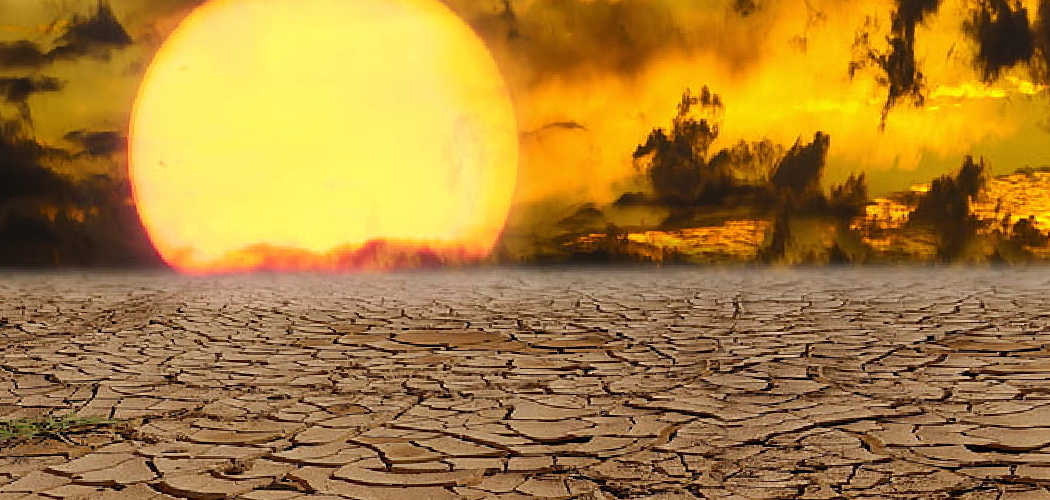
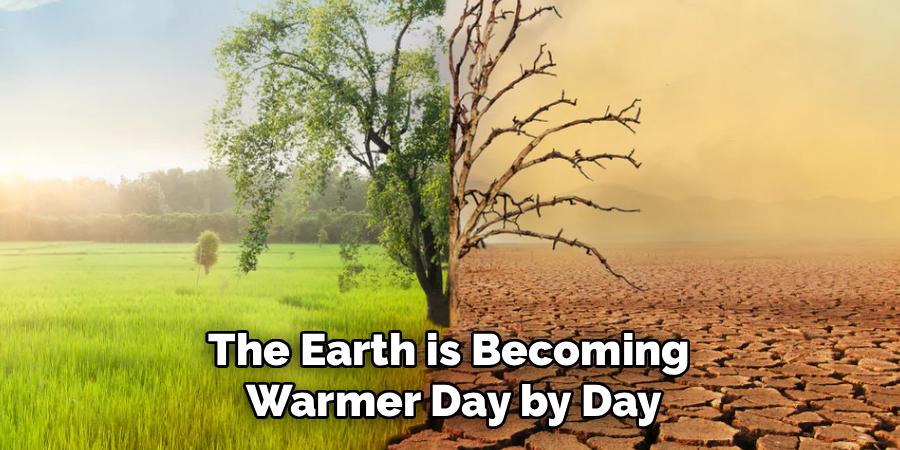
Climate change means changes in the weather over a long time. The Earth is becoming warmer day by day. This happens because people cut down trees, burn coal and oil, and use many vehicles. These actions make the air dirty and hot. Climate change causes floods, droughts, and strong storms. It also harms plants, animals, and humans. If we do not take care of the Earth, the problem will become worse. We can help by planting trees, saving electricity, and keeping our environment clean. Climate change is a big problem, but small actions can make a good difference.
Climate Change Paragraph 150 Words
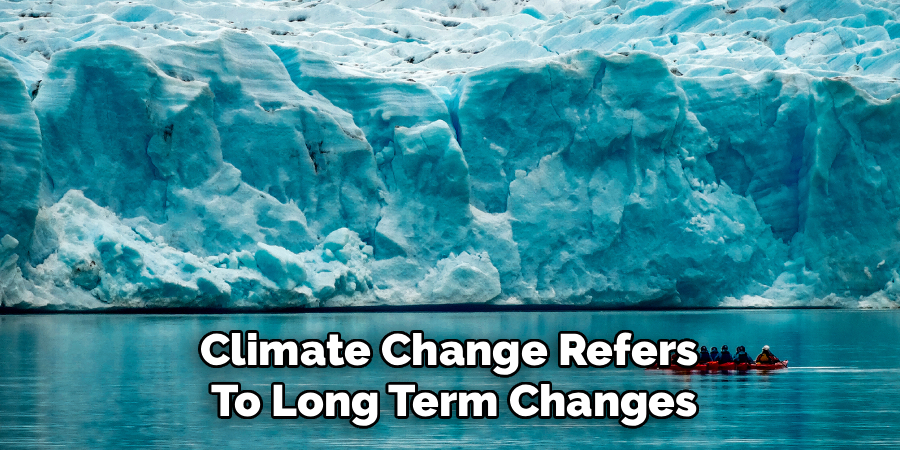
Climate change refers to long term changes in the Earth’s temperature and weather patterns. Today, climate change has become a serious global problem. The main causes of climate change are human activities such as burning coal, oil, and gas, cutting down trees, and increasing industrial pollution. These activities release harmful gases into the air, which trap heat and make the Earth warmer. As a result, glaciers are melting, sea levels are rising, and natural disasters like floods, droughts, and cyclones are increasing. Climate change also affects agriculture, human health, and wildlife. To reduce climate change, we must take proper steps. Planting more trees, using renewable energy, saving electricity, and reducing pollution can help protect the environment. Governments and individuals must work together to solve this problem. Climate change is not only an exam topic but also a real life issue. By understanding climate change, students can help create a safer and healthier future for the Earth.
Climate Change Paragraph for Class 7
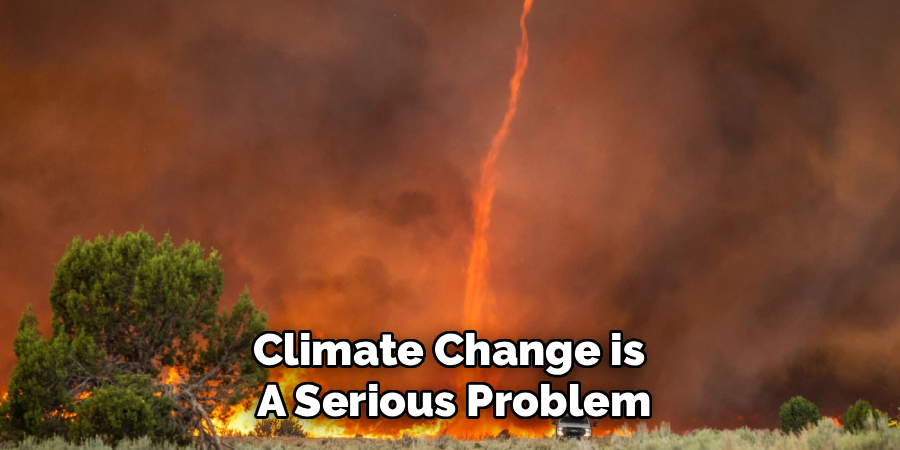
Climate change means long term changes in the Earth’s weather and temperature. Today, climate change is a serious problem that affects our daily life. We can see its effects around us. Summers are becoming hotter, winters are changing, and rainfall is not regular. Sometimes there is too much rain, and sometimes there is no rain at all. These changes happen mainly because of human activities. People cut down trees, burn coal, oil, and gas, and use many vehicles. Factories and cars release smoke that pollutes the air and makes the Earth warmer.
Climate change causes many problems for the environment. Floods, droughts, cyclones, and heat waves are becoming more common. Sea levels are rising because ice in the polar regions is melting. This can damage coastal areas. Climate change also affects plants, animals, and humans. Farmers face difficulty growing crops, and people suffer from health problems due to extreme heat.
Students should learn about climate change so they can help protect the environment. Planting trees, saving electricity, using less plastic, and keeping the surroundings clean are simple ways to reduce climate change. Small actions by students can make a big difference in the future.
Climate Change Paragraph Class 9
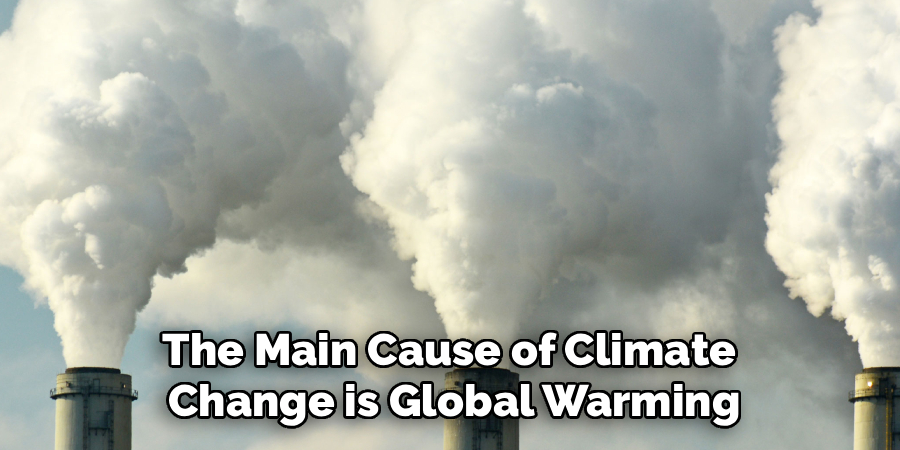
Climate change refers to long term changes in the Earth’s climate, especially temperature and weather patterns. In recent years, climate change has become a major global issue. The main cause of climate change is global warming, which happens when greenhouse gases like carbon dioxide increase in the atmosphere. These gases come mainly from burning fossil fuels such as coal, oil, and gas, cutting down forests, and pollution from factories and vehicles.
Climate change has many harmful effects on the environment and human life. Due to rising temperatures, glaciers are melting and sea levels are increasing. This causes floods in coastal areas. Extreme weather events like cyclones, heat waves, droughts, and heavy rainfall are becoming more frequent. Climate change also affects agriculture, food production, and human health. Many plants and animals are losing their natural habitats.
To prevent climate change, we must reduce pollution and protect nature. Planting more trees, using renewable energy like solar power, saving electricity, and reducing the use of fossil fuels can help. Governments, schools, and individuals all have important roles to play. Climate change is an important topic for school exams and real life. Understanding this issue helps students become aware and responsible for protecting the Earth for future generations.
Climate Change Paragraph for Class 10
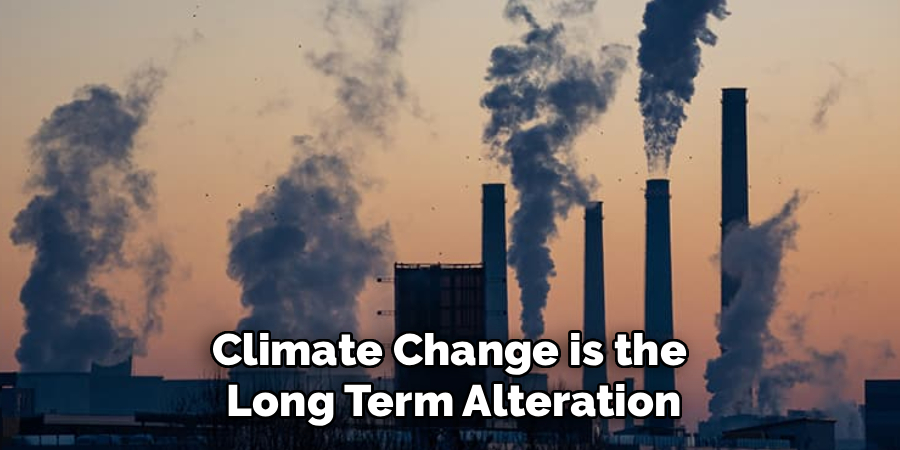
Climate change is the long term alteration of the Earth’s climate, mainly caused by global warming. Global warming occurs when greenhouse gases such as carbon dioxide and methane increase in the atmosphere and trap heat. These gases are released mostly from burning fossil fuels, deforestation, industrial activities, and excessive use of vehicles. Climate change has become a serious global problem affecting both developed and developing countries.
The impacts of climate change are visible around the world. Glaciers are melting, sea levels are rising, and extreme weather events like floods, droughts, heat waves, and cyclones are increasing. These changes threaten food security, human health, and natural ecosystems. In countries like Bangladesh, climate change causes river erosion, coastal flooding, and damage to crops and homes. Millions of people are at risk due to these environmental changes.
Humans have a major responsibility in reducing climate change. We must control pollution, protect forests, and use energy wisely. Using renewable energy, planting trees, and raising awareness can help reduce its effects. Climate change is an important topic for SSC examinations. A clear understanding of its causes, impacts, and solutions helps students answer exam questions accurately and become responsible citizens for the future.
Climate Change Paragraph for SSC
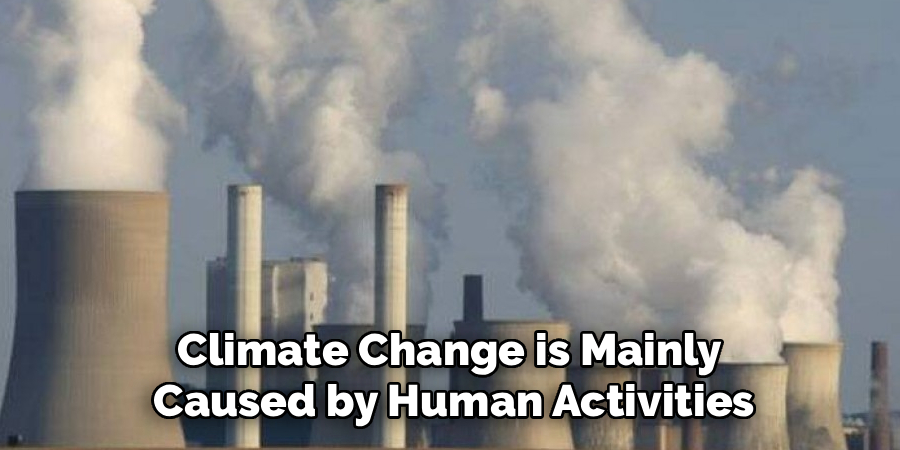
Climate change means long term changes in the Earth’s climate, especially temperature and weather conditions. It is one of the most serious environmental problems in the modern world. Climate change is mainly caused by human activities. Burning fossil fuels such as coal, oil, and gas releases greenhouse gases like carbon dioxide into the atmosphere. Deforestation, industrial pollution, and excessive use of vehicles also increase air pollution and global warming.
The effects of climate change are dangerous and widespread. Rising global temperatures cause glaciers to melt and sea levels to rise, which leads to flooding in coastal areas. Extreme weather events such as cyclones, droughts, heat waves, and irregular rainfall are becoming more frequent. Climate change also affects agriculture, food production, human health, and wildlife. Many people lose their homes and livelihoods due to natural disasters.
To reduce climate change, proper steps must be taken. Planting more trees, reducing pollution, using renewable energy, and saving electricity are effective solutions. Governments and individuals must work together to protect the environment. Climate change is an important topic for SSC board exams, and understanding it helps students become aware of their responsibility toward nature and future generations.
Climate Change Paragraph for HSC
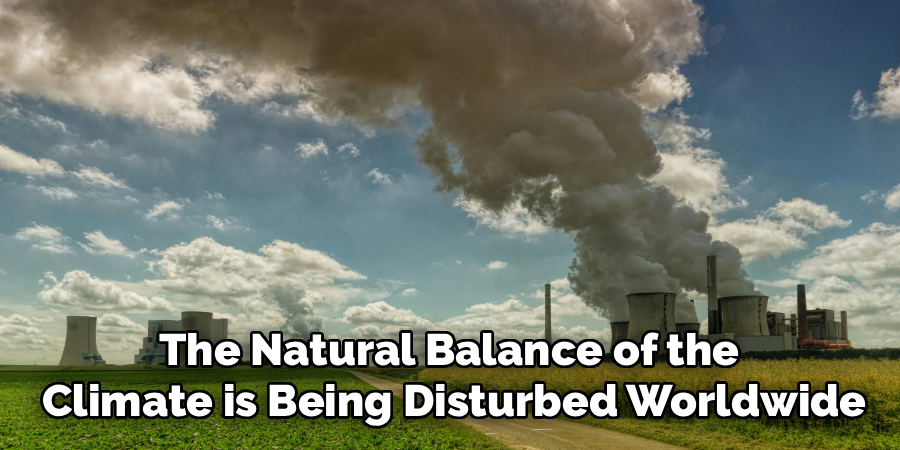
Climate change refers to long term changes in the Earth’s climate system, mainly caused by global warming. Global warming occurs when greenhouse gases such as carbon dioxide, methane, and nitrous oxide increase in the atmosphere and trap heat. These gases are released due to human activities like burning fossil fuels, deforestation, industrialization, and rapid urban growth. As a result, the natural balance of the climate is being disturbed worldwide.
The impacts of climate change are environmental, economic, and social. Environmentally, it causes rising temperatures, melting glaciers, sea level rise, and frequent natural disasters such as floods, droughts, cyclones, and heat waves. Economically, climate change damages agriculture, fisheries, and industries, leading to food shortages and financial loss. Socially, it increases poverty, health problems, migration, and loss of human lives, especially in vulnerable countries like Bangladesh.
To reduce climate change, effective solutions are necessary. Using renewable energy, reducing greenhouse gas emissions, protecting forests, and adopting sustainable lifestyles can help control global warming. Governments, organizations, and individuals must work together to address this issue. Climate change is not only an academic topic for HSC students but also a major global challenge that requires immediate and responsible action to ensure a safe future for coming generations.
Causes of Climate Change
Climate change happens due to both human activities and natural processes.
Human Causes:
- Burning Fossil Fuels: Using coal, oil, and gas in factories, vehicles, and power plants releases carbon dioxide, which warms the Earth.
- Deforestation: Cutting down trees reduces the Earth’s ability to absorb carbon dioxide.
- Industrial Pollution: Factories release harmful gases and chemicals into the air.
- Agriculture: Livestock produce methane, and chemical fertilizers release nitrous oxide.
- Urbanization: Building cities increases energy use and pollution.
Natural Causes:
- Volcanic Eruptions: Volcanoes release carbon dioxide and ash that affect climate.
- Solar Radiation Changes: Variations in the sun’s energy can change the Earth’s temperature.
- Ocean Currents: Shifts in ocean currents can alter weather patterns.
- Earth’s Orbit Changes: Small changes in the Earth’s orbit affect climate over thousands of years.
Both human and natural causes combine to make the climate change faster today. Understanding these causes helps us reduce harmful human activities and protect the environment.
Effects of Climate Change
Climate change has many serious effects on the environment, humans, and society.
Environmental Effects:
- Rising global temperatures cause glaciers to melt and sea levels to rise.
- Extreme weather events such as floods, cyclones, droughts, and heat waves are becoming more frequent.
- Loss of biodiversity occurs as many plants and animals lose their natural habitats.
- Changes in rainfall patterns affect rivers, lakes, and soil fertility.
Human Health Effects:
- Heat waves and extreme temperatures can cause heatstroke and dehydration.
- Spread of diseases increases as mosquitoes and other pests expand to new areas.
- Food and water shortages lead to malnutrition and poor health.
Economic and Social Effects:
- Agriculture is affected, reducing crop yields and causing food insecurity.
- Coastal communities face flooding, leading to property loss and migration.
- Natural disasters increase economic costs and strain government resources.
Impact on Bangladesh and the World:
- Bangladesh is highly vulnerable due to low-lying coastal areas, causing frequent floods and river erosion.
- Globally, climate change leads to storms, wildfires, and disrupted ecosystems, affecting millions of people.
Understanding these effects helps students recognize the importance of taking action against climate change.
How Students Can Help Reduce Climate Change
Students can play an important role in reducing climate change by adopting simple habits in daily life and participating in school and community activities.
Daily Life Habits:
- Turn off lights, fans, and electronic devices when not in use to save electricity.
- Use public transport, bicycles, or walk instead of using vehicles for short distances.
- Reduce, reuse, and recycle items to decrease waste.
- Plant trees and take care of plants at home or in the neighborhood.
- Avoid using plastic bags and products that harm the environment.
School Level Actions:
- Organize awareness programs and environmental clubs at school.
- Participate in tree planting and clean-up campaigns.
- Encourage classmates to save energy and reduce waste.
Community Level Actions:
- Join local initiatives for cleaning rivers, parks, and streets.
- Spread awareness about climate change and its effects among neighbors and friends.
- Support renewable energy projects and community gardens if possible.
By practicing these simple steps, students can contribute to reducing climate change and inspire others to take action for a healthier planet.
Importance of Learning Climate Change
Learning about climate change is very important for students because it helps them understand the changes happening in the environment and how human activities affect the planet. By studying climate change, students become aware of global problems like rising temperatures, floods, droughts, and storms, and they learn why these issues matter for everyone.
Climate change is also an important topic in school exams, SSC, and HSC boards. Students are often asked to write paragraphs or essays about its causes, effects, and solutions. Knowing this topic well helps students score better and answer questions confidently.
Beyond exams, understanding climate change is essential for future generations. Students who learn about climate change today can take actions to protect the environment, reduce pollution, and promote sustainable living. This knowledge helps young people become responsible citizens who can contribute to solving global environmental problems and ensure a safer and healthier planet for the future.
Frequently Asked Questions About Climate Change Paragraph
What is climate change in definition?
Climate change is the long-term change in the Earth’s climate, including temperature and weather patterns. It happens due to natural processes and human activities that increase greenhouse gases in the atmosphere. In simple terms, it means the Earth’s weather is changing over many years.
What are the five causes of climate change?
The five main causes of climate change are:
- Burning Fossil Fuels: Using coal, oil, and gas in vehicles, factories, and power plants releases carbon dioxide, which warms the Earth.
- Deforestation: Cutting down trees reduces the Earth’s ability to absorb carbon dioxide, increasing greenhouse gases.
- Industrial Pollution: Factories release harmful gases and chemicals that pollute the air and contribute to global warming.
- Agriculture Activities: Livestock produce methane, and chemical fertilizers release nitrous oxide, both of which trap heat in the atmosphere.
- Waste and Plastic Pollution: Burning waste and excessive plastic production release greenhouse gases that increase the Earth’s temperature.
What are the 7 effects of climate change?
The seven main effects of climate change are:
- Rising Global Temperature: The Earth is getting warmer, causing heat waves and warmer summers.
- Melting Glaciers: Ice in the polar regions is melting, increasing water in oceans and rivers.
- Sea Level Rise: Higher sea levels cause flooding in coastal areas and threaten homes.
- Extreme Weather: Storms, cyclones, floods, and droughts are becoming more frequent and severe.
- Loss of Biodiversity: Many plants and animals lose their habitats and face extinction.
- Food Shortage: Unpredictable rainfall and extreme weather affect crop production, leading to scarcity.
- Health Problems: Climate change increases the risk of heat-related illnesses, malnutrition, and the spread of diseases.
What are the 8 causes of climate change?
The eight main causes of climate change are:
- Fossil Fuel Use: Burning coal, oil, and gas in factories, vehicles, and power plants releases carbon dioxide, warming the Earth.
- Deforestation: Cutting down trees reduces the Earth’s ability to absorb carbon dioxide, increasing greenhouse gases.
- Vehicle Emissions: Cars, buses, and trucks release harmful gases that contribute to global warming.
- Industrial Gases: Factories release chemicals like carbon dioxide and methane, which trap heat in the atmosphere.
- Agriculture Methane: Livestock produce methane, a powerful greenhouse gas, and chemical fertilizers release nitrous oxide.
- Urbanization: Expanding cities increase energy use and pollution, affecting the climate.
- Energy Overuse: Excessive electricity consumption from non-renewable sources adds greenhouse gases to the air.
- Population Growth: More people lead to higher energy demand, deforestation, and waste production, increasing climate change effects.
What are the 15 causes of climate change?
The fifteen main causes of climate change are:
- Burning Coal: Coal used in power plants and factories releases large amounts of carbon dioxide into the atmosphere.
- Burning Oil: Oil used in vehicles, industries, and heating increases greenhouse gases.
- Burning Gas: Natural gas combustion for energy adds carbon dioxide and methane to the air.
- Cutting Trees (Deforestation): Fewer trees mean less carbon dioxide is absorbed, increasing global warming.
- Factory Pollution: Industries release carbon dioxide, methane, and harmful chemicals that trap heat.
- Vehicle Smoke: Cars, buses, and trucks emit greenhouse gases like carbon dioxide and nitrogen oxides.
- Plastic Waste: Burning or producing plastic releases toxic gases that contribute to climate change.
- Overpopulation: More people increase energy use, deforestation, and waste production.
- Farming Methane: Livestock produce methane, a strong greenhouse gas.
- Chemical Fertilizers: Fertilizers release nitrous oxide, which traps heat in the atmosphere.
- Power Plants: Electricity generation from non-renewable sources emits large amounts of carbon dioxide.
- Air Conditioner Gases: Refrigerants like CFCs and HFCs increase greenhouse effects.
- Urban Expansion: Building cities increases energy consumption and air pollution.
- Mining: Mining activities release carbon dioxide and disturb natural ecosystems.
- Waste Burning: Burning household and industrial waste releases carbon dioxide and other harmful gases.
Conclusion
Climate change is the long-term change in the Earth’s climate caused by natural processes and human activities. It leads to rising temperatures, extreme weather, melting glaciers, sea level rise, loss of biodiversity, and health and economic problems. Awareness about climate change is very important for students because understanding its causes and effects helps them make informed decisions. By learning about climate change, students can take simple actions like planting trees, saving energy, reducing waste, and spreading awareness to protect the environment. Every small effort counts, and students have the power to contribute to a healthier planet. Acting responsibly today ensures a safer and better future for themselves and coming generations.
More Paragraph :