Load shedding is a topic that many students read about in school books and exam questions. The main purpose of this paragraph is to help students understand load shedding in a clear and simple way. Many students face this problem in their daily lives, but they cannot explain it properly in writing. This Load Shedding Paragraph for Class 6,7,8,9,10 & SSC is written Easy to make the idea easy so that students can read it, remember it, and write good answers in exams.
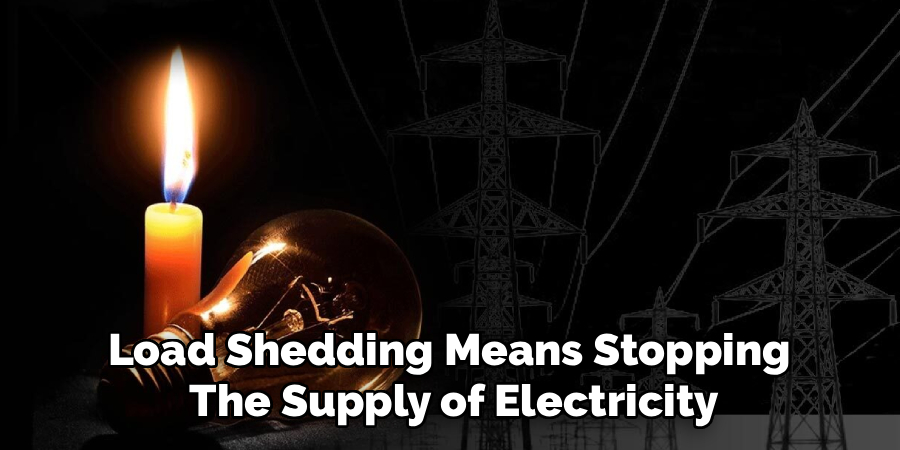
In very simple words, load shedding means the temporary stopping of the electricity supply. When there is not enough electricity to meet everyone’s needs, the power supply is turned off in some areas for a certain time. During load shedding, lights go off, fans stop working, and electronic devices cannot be used. It is not an accident. Most of the time, it is planned to control the electricity system.
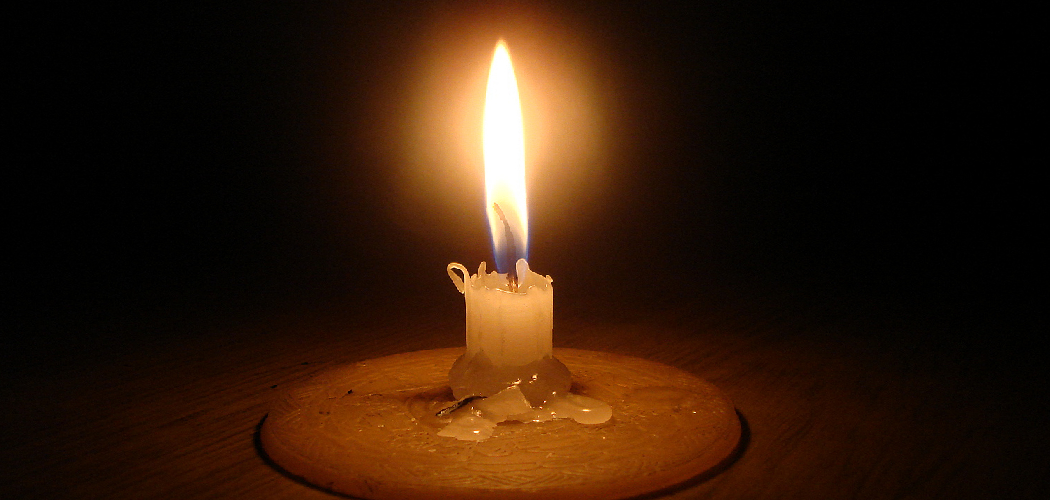
Students need to learn about load shedding because it affects their daily study life. When electricity goes off, studying at night becomes difficult. Online classes, homework, and exam preparation are disturbed. Mobile phones and computers cannot be charged. Because of this, students feel stress and lose valuable time. Learning about load shedding helps students understand why these problems happen.
Different classes need different writing styles for this topic. Students of lower classes should write in very easy language using short sentences. They should explain only the main idea. Students of higher classes can write a little more detail about causes and effects. This Load Shedding Paragraph for Class 6-10 & SSC provides examples suitable for all levels. However, the language should always be clear and simple.
This paragraph is written specially for school students. It helps them understand a common real-life problem. It also prepares them to write correct and organized answers in exams. By learning about load shedding, students become more aware of the importance of electricity and proper use of power in daily life.
Load Shedding Paragraph Easy
Load shedding means stopping the supply of electricity for some time. It happens when there is not enough electricity for everyone. In simple words, when power is limited, electricity is turned off in some areas. This power cut is usually planned. It may last for a short time or a few hours. Load shedding is a common problem in many places.
Electricity is very important in our daily life. We need electricity for light, fan, television, refrigerator, and mobile phones. Students need electricity to study properly. Schools, hospitals, and offices also depend on electricity. Without electricity, modern life becomes slow and difficult. That is why electricity is an important part of our daily routine.
When there is no electricity, many problems start. Lights do not work. Fans stop running. Rooms become dark and hot. People cannot use electronic devices. Water pumps may stop working. Food in the refrigerator can get spoiled. Communication also becomes difficult because mobile phones cannot be charged. Daily life becomes uncomfortable without electricity.
Students face many problems during load shedding. Studying becomes very hard, especially at night. Without light, students cannot read books properly. Candle light or torch light is not enough for long study. Eyes feel tired very quickly. Many students cannot complete their homework on time. Online classes also stop because there is no internet or device power.
Load shedding is more difficult during summer. When fans do not work, students feel hot and restless. It becomes hard to sit and concentrate on studies. Sleep is also disturbed at night. Because of this, students feel tired the next day and cannot focus well in school.
This paragraph is written for beginners. The language is very easy. Sentences are short and clear. The main idea is simple. Load shedding is a problem that affects students directly. Understanding this topic helps students write better answers in exams. It also helps them understand the value of electricity and why it should be used carefully.
Load Shedding Paragraph for Class 6
Load shedding means the temporary stopping of electricity in an area. It happens when there is not enough electricity for everyone. In simple words, when power supply is low, electricity is turned off for some time. This is done to control the power system. Load shedding is a common problem that students see in their daily life.
The main cause of load shedding is the shortage of electricity. Electricity is produced in power plants. When these power plants cannot produce enough electricity, the supply becomes low. During hot weather, people use more fans and other electric devices. This increases the demand for electricity. When demand becomes higher than supply, load shedding occurs.
Load shedding affects the daily routine of students. Students depend on electricity for studying, watching educational programs, and using mobile phones for learning. When electricity goes off, students cannot follow their daily study plan. Reading books becomes difficult without proper light. Many students feel uncomfortable and lose interest in studying.

Homework and online study also become a problem during load shedding. Students cannot use computers or mobile phones when there is no electricity. Online classes stop because there is no internet connection. Charging devices becomes difficult. As a result, students cannot submit homework on time and feel worried.
Load shedding creates problems at home, especially during summer. When fans do not work, rooms become very hot. Students feel tired and restless. Sleeping at night becomes difficult. Parents also face problems in cooking, washing, and other household work. The whole family feels disturbed during long hours of load shedding.
In conclusion, load shedding is a serious problem for class 6 students. It affects their study, daily routine, and home life. Students should learn about load shedding to understand why it happens. They should also learn to use electricity properly. Proper use of electricity can help reduce this problem in the future.
Load Shedding Paragraph for Class 7
Load shedding means the temporary stopping of electricity supply in different areas for a certain time. It is done when there is not enough electricity to meet the needs of all people. In simple words, when demand for electricity becomes higher than supply, power is cut in some places. Load shedding is usually planned so that the power system can continue to work safely. This problem is common and affects many parts of daily life.
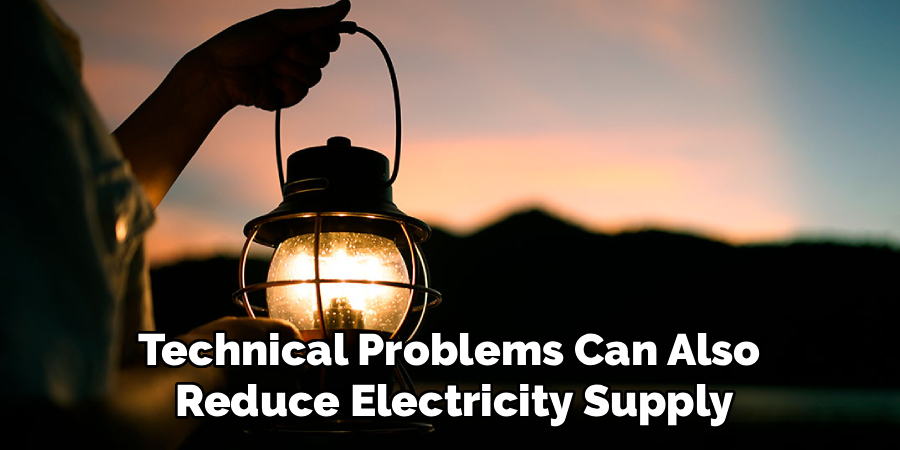
There are several causes of load shedding. One main cause is low electricity production. If power plants cannot produce enough electricity, the supply becomes limited. Another cause is high demand for electricity. During summer, people use more fans, air conditioners, and refrigerators. In the evening, many lights and electronic devices are used at the same time. This increases pressure on the power system. Fuel shortage and technical problems can also reduce electricity supply and lead to load shedding.
Load shedding has a strong effect on education. Students depend on electricity for studying, especially at night. When power goes off, they cannot read properly. Online classes and digital learning also stop. Charging mobile phones and laptops becomes difficult. Because of this, students lose study time and feel stressed. Exam preparation becomes harder during frequent power cuts.
Family life is also affected by load shedding. Household work becomes difficult without electricity. Water pumps may stop working. Cooking becomes harder if electric appliances are used. Watching television and using fans are not possible during power cuts. Family members feel uncomfortable, especially during hot weather. The whole daily routine of the family is disturbed.
Load shedding can also cause health problems. During summer, the heat becomes unbearable without fans. People may feel weak, tired, and irritated. Sleeping at night becomes difficult. Poor sleep can affect students’ health and concentration in school. Elderly people and small children may suffer more during long power cuts.
In daily life, students see many examples of load shedding. Lights suddenly go off while studying. Fans stop working during hot afternoons. Internet connection is lost during online classes. These common situations show how load shedding affects students and families.
In short, load shedding is a serious problem for class 7 students. It affects education, family life, and health. Learning about this topic helps students understand a real-life issue and prepare better for school exams.
Load Shedding Paragraph for Class 8
Load shedding is the temporary stopping of electricity supply in a particular area for a certain period of time. It happens when the demand for electricity becomes higher than the available supply. In simple words, when there is not enough power for everyone, electricity is turned off in some areas to keep the system stable. Load shedding is a common problem in many countries and affects both daily life and studies for students.
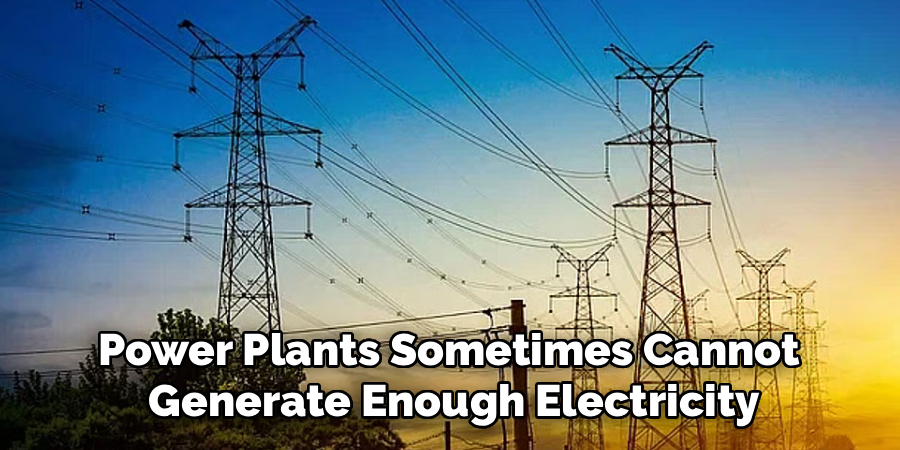
There are several reasons for load shedding. One main cause is insufficient electricity production. Power plants sometimes cannot generate enough electricity to meet the needs of all people. Another important reason is the high demand for electricity. During hot seasons, families use more fans, refrigerators, and air conditioners. In the evening, the use of lights, televisions, and computers also increases. Fuel shortage and technical problems, like broken machinery or damaged power lines, can reduce electricity supply. Poor management of electricity distribution can make the problem worse. Natural events, such as storms or floods, may also damage power systems and cause temporary shutdowns. All these factors together make load shedding a common issue in daily life.
Load shedding has a direct impact on students’ study time. When electricity goes off, reading, writing, and online study become difficult. Students cannot use electric lights at night, and charging mobile phones or laptops becomes a problem. This reduces valuable study hours, especially for students preparing for exams. Schools and coaching centers also face challenges during load shedding. Lights, fans, projectors, and computers may stop working, making teaching difficult. Students may lose concentration and struggle to complete lessons on time.
During exam periods, load shedding can create extra stress. Students may find it hard to revise properly when electricity is not available. They may have to study in dim light or rely on candles and torches, which is tiring and uncomfortable. Continuous load shedding during important exams can lower focus and affect performance.
A soft solution to this problem is careful planning and proper use of electricity. Families and students can try to study during daylight hours and use electric devices wisely. Awareness about electricity conservation can reduce pressure on the power system. In this way, students can continue their studies more comfortably while waiting for better electricity management in the future.
Load Shedding Paragraph for Class 9 10
Load shedding is the planned interruption of electricity supply in certain areas for a specific period of time. It occurs when the demand for electricity exceeds the available supply. In simple terms, when there is not enough power for everyone, the electricity authority turns off power in some areas to balance the system. Although it is a temporary measure, load shedding affects many aspects of daily life, especially students’ studies and preparation for exams.
There are several causes of load shedding. One major cause is insufficient electricity production. Power plants sometimes cannot generate enough electricity to meet the growing demand of households, industries, and schools. High demand, especially during hot seasons, adds extra pressure on the power system. People use fans, air conditioners, and other electrical devices, which increases consumption. Fuel shortages, technical failures in power plants, and poor management of electricity distribution can also lead to load shedding. Natural disasters, like storms or floods, may damage power lines and stations, causing temporary shutdowns. All these factors together make load shedding a frequent problem in many regions.
The effects of load shedding are significant, especially for students preparing for important exams such as SSC. When electricity goes off, students cannot study effectively at night. Reading, writing, and online learning become difficult. Mobile phones and laptops cannot be charged, which interrupts digital classes and research. Continuous power cuts reduce the available study time, creating stress and anxiety among students. This mental stress can affect focus, memory, and performance during exams. Schools and coaching centers also face challenges, as lights, fans, and projectors stop working, disrupting lessons and classroom activities.
Load shedding also affects daily life at home. Fans and lights do not work, water pumps may stop, and cooking becomes more difficult. Long hours without electricity can make people feel tired and uncomfortable. Students may struggle to sleep during hot nights, which further affects their energy and concentration the next day.
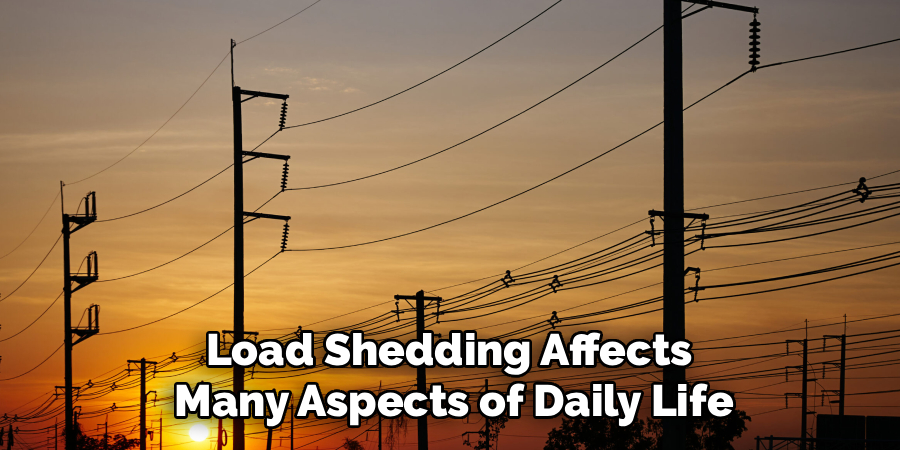
Proper electricity management is very important to reduce these problems. Planning electricity production, conserving power, and avoiding unnecessary usage can help manage the situation. Students and families can also adjust their study and work schedules to use electricity wisely. Understanding the causes and effects of load shedding helps students become more responsible and aware of electricity usage.
In conclusion, load shedding is a serious issue that affects education, daily life, and mental health. Awareness and careful use of electricity can help reduce its impact. Students should learn to manage their studies and household tasks efficiently during power cuts while hoping for better electricity management in the future.
Load Shedding Paragraph SSC
Load shedding is the planned interruption of electricity supply in certain areas for a fixed period of time. It occurs when the demand for electricity exceeds the available supply. In simple terms, when power is limited, the electricity authority temporarily stops supply in some areas to maintain balance in the system. This is a common issue in many countries and has significant effects on education, daily life, and the economy.
There are several causes of load shedding. One major reason is the shortage of electricity production. Power plants may not generate enough electricity to meet the growing needs of homes, schools, and industries. High demand, especially during summer, adds further pressure as people use more fans, air conditioners, and other electrical devices. Fuel shortages, technical failures in power plants, and poor management of electricity distribution also contribute to the problem. Natural disasters such as storms or floods can damage power lines and stations, leading to temporary shutdowns.
The effects of load shedding are serious, particularly for education. Students cannot study properly at night without lights and fans. Online classes are interrupted, and mobile phones or computers cannot be charged. Teachers in schools and coaching centers also face difficulties conducting lessons, which affects students’ learning progress. Repeated power cuts can create mental stress among students and reduce their concentration during exams.

Load shedding also impacts the economy. Businesses, factories, and offices cannot run efficiently without a continuous supply of electricity. Production slows down, which can lead to financial losses. Daily life at home is disrupted as well. Cooking, water supply, and other household activities are affected. Families experience discomfort, especially during hot weather, when fans and air conditioners do not work.
A short solution to reduce load shedding is proper electricity management. Authorities should plan electricity production carefully, and people should use power wisely. Conserving electricity, avoiding wastage, and adjusting daily activities according to power availability can help minimize the effects.
In conclusion, load shedding is a major problem affecting education, economy, and daily life. Students, teachers, and families face difficulties, but awareness and proper use of electricity can reduce its impact. Learning about load shedding helps students understand the importance of electricity and encourages responsible use to make life easier during power cuts.
Conclusion
Load shedding is the temporary stopping of electricity supply in certain areas. It happens when the demand for electricity is higher than the available supply. In simple words, when there is not enough power for everyone, electricity is turned off for some time. This is done to protect the power system and manage electricity properly.
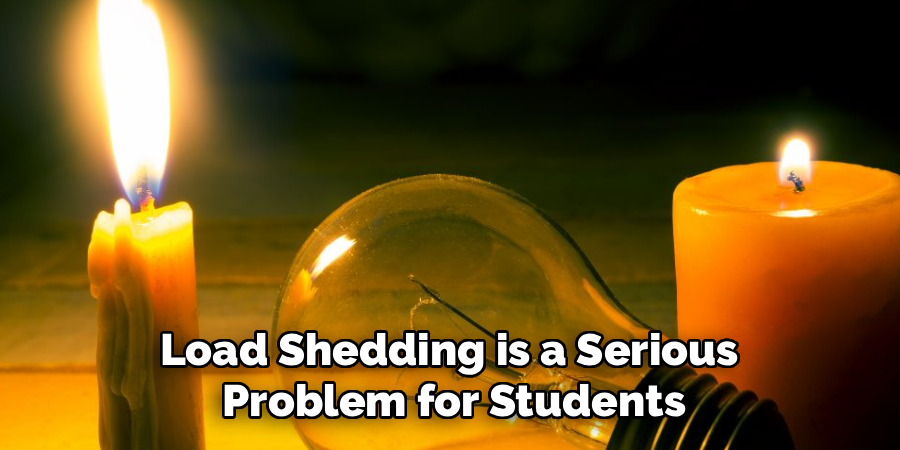
Load shedding is a serious problem for students. It affects their study time, homework, and online classes. Reading and writing become difficult without lights. Fans and other devices do not work, making it hard to focus, especially during hot weather. Students preparing for exams feel more stress and worry because they cannot study comfortably. Schools and coaching centers also face problems, which can slow down learning.
Proper power management is very important to reduce the problems caused by load shedding. If electricity is produced and distributed carefully, fewer areas will face long power cuts. Using electricity wisely at home and school can also help. Students and families can plan their study and daily activities to match the available electricity hours. Awareness about saving electricity is also important so that the power system does not get overloaded.
We can hope for a better future if electricity production increases and proper management is applied. New power plants, better technology, and responsible use of electricity can reduce load shedding. Students, teachers, and families will then be able to study, work, and live more comfortably. Learning about load shedding helps students understand its causes and effects and encourages them to use electricity wisely. By being careful and aware, we can make life easier and reduce the difficulties caused by load shedding.
More Paragraph :