Knowing how to change a tire is an essential life skill for anyone who drives a car. No matter how new or expensive your vehicle is, a flat tire can happen at any time and in any place. When it happens, you may not always have immediate help available. Learning this simple skill can save you time, money, and a lot of stress, especially in emergency situations.
Flat tires often occur in uncomfortable moments on a busy highway, late at night, during heavy rain, or when you are far from home. These situations can feel scary, but they become much easier to handle when you know exactly what to do. Instead of waiting for help, you can take control and solve the problem yourself.
The good news is that you do not need any mechanical background or special training to change a tire. The process is straightforward and only requires basic tools that most cars already have. In this article, you will learn step by step how to change a car tire safely, what tools you need, and how to avoid common mistakes. By the end, you will feel more confident and prepared for real-life situations.
What Is a Flat Tire and Why Does It Happen?
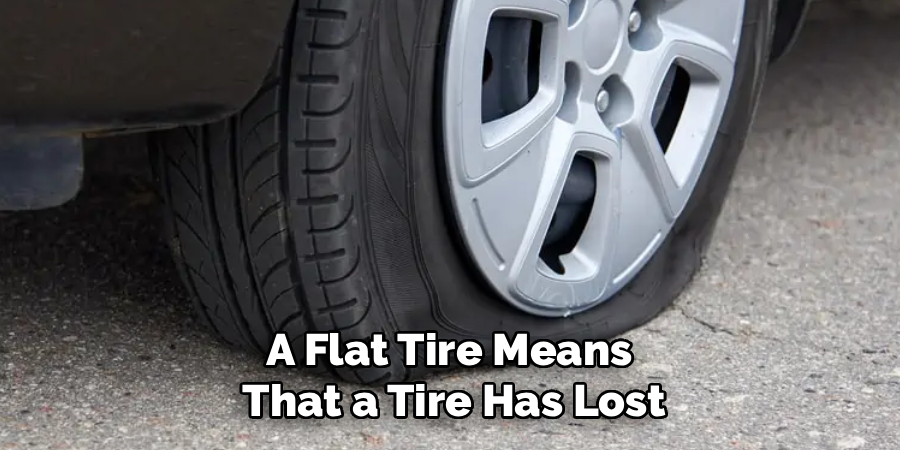
A flat tire means that a tire has lost most or all of its air pressure and can no longer support the weight of the car properly. When a tire is flat, the car may feel heavy to drive, pull to one side, or make unusual noises. In some cases, the tire looks visibly deflated, while in others the air leaks out slowly and the problem is not noticed immediately.
There are several common reasons why a tire goes flat. One of the most frequent causes is a nail or screw on the road. Sharp objects like these can puncture the tire and let air escape. Low air pressure is another common issue. Tires naturally lose small amounts of air over time, and if they are not checked regularly, they can become weak and more likely to go flat. Old tires are also a problem because the rubber becomes hard and cracked, making them easier to damage. Finally, hitting potholes or curbs can cause sudden damage to both the tire and the rim.
Not all flat tires mean you need a new one. Small punctures in the middle of the tire can often be repaired. However, damage on the sidewall, large holes, or very worn tires usually mean the tire must be replaced for safety.
Tools You Need to Change a Tire
Before you start, it is important to have the right tools to change a tire. Most cars come with basic tools stored in the trunk, but many people never check them until an emergency happens. Taking a few minutes to know what you have can make a big difference when you are stuck on the road.
The most important item is the spare tire. There are two main types: a donut spare, which is smaller and only for temporary use, and a full-size spare, which is the same as your normal tire. A full-size spare is safer, but many cars only include a donut to save space. You also need a jack, which is used to lift the car off the ground, and a lug wrench to loosen and tighten the lug nuts.
For safety, you should use wheel wedges or stones to stop the car from rolling. A flashlight is very important if the tire goes flat at night, and gloves help protect your hands from dirt and sharp edges. A tire pressure gauge allows you to check if the spare has enough air.
Optional but helpful tools include a portable air pump to inflate the spare and a reflective triangle to warn other drivers and improve visibility.
Safety First Before You Change a Tire
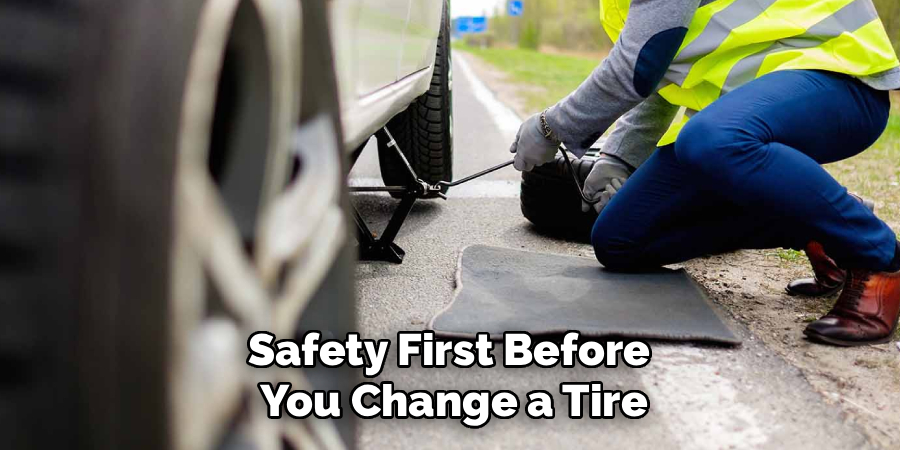
Safety should always be your top priority before changing a tire. Many accidents happen not because people do not know the steps, but because they ignore basic safety rules. Taking a few extra minutes to prepare properly can prevent serious injuries or damage to your car.
First, always park on a flat, solid surface. Avoid slopes, soft ground, sand, or muddy areas. A flat surface keeps the car stable while you are lifting it with the jack. Next, turn on your hazard lights immediately so other drivers can see you from a distance, especially at night or in bad weather.
Make sure to apply the handbrake firmly. This prevents the car from rolling while you are working. You should also use wedges or stones behind the wheels, especially on the opposite side of the flat tire. Even a small movement can be dangerous when the car is lifted.
Another important rule is to keep passengers away from the road. Ask them to stand at a safe distance, preferably behind a barrier or far from traffic. Children and elderly passengers should never stand near the car during the process.
Most importantly, remember that safety is more important than speed. Do not rush just because you feel stressed or embarrassed. It is better to take your time and stay safe than to finish quickly and risk an accident. If the location feels unsafe, such as a busy highway or poor visibility, it is wiser to call for roadside assistance instead of changing the tire yourself.
Step-by-Step Guide: How to Change a Tire
This is the most important part of the guide. Follow each step carefully, and remember that safety comes first. Even if you have never changed a tire before, these steps are easy to follow with patience and focus.
Step 1 : Remove the Hubcap (if present)
Many cars have a hubcap covering the lug nuts. To remove it safely, use the flat end of your lug wrench or your hands to gently pry it off. Move around the edge slowly instead of pulling from one spot to avoid cracking or damaging the hubcap. Once removed, place it somewhere safe so it won’t get lost.
Some modern cars do not have hubcaps. If you can see the lug nuts clearly, you can skip this step and move on.
Step 2 : Loosen the Lug Nuts
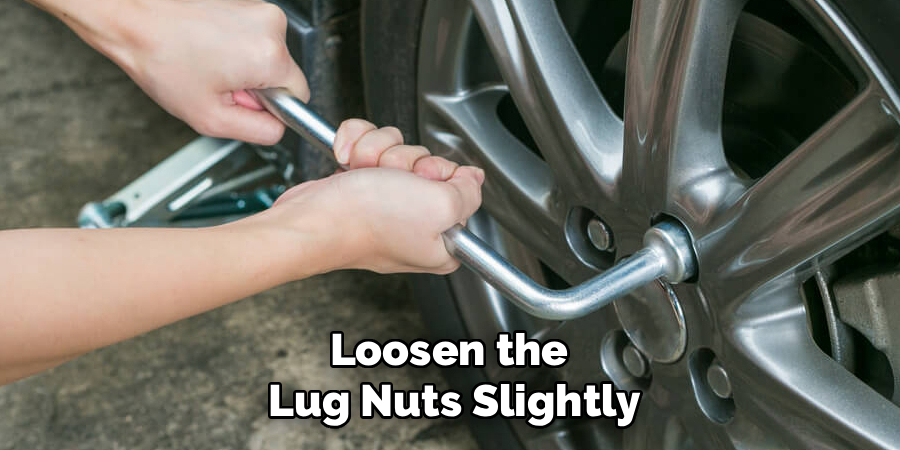
Before lifting the car, loosen the lug nuts slightly. Turn each nut counter clockwise using the lug wrench. Do not remove them completely yet.
If the nuts are very tight, you can carefully use your body weight to press down on the wrench, keeping your balance. Loosening them now is easier than trying to unscrew them once the car is lifted.
Step 3 : Position the Jack Correctly
Every car has specific jack points, usually located behind the front wheels or in front of the rear wheels. These reinforced areas safely support the vehicle.
Placing the jack in the wrong spot can damage the car’s frame or body or even cause it to slip. Check your owner’s manual to locate the exact jack points for your vehicle. Ensure the jack is on flat, solid ground before lifting.
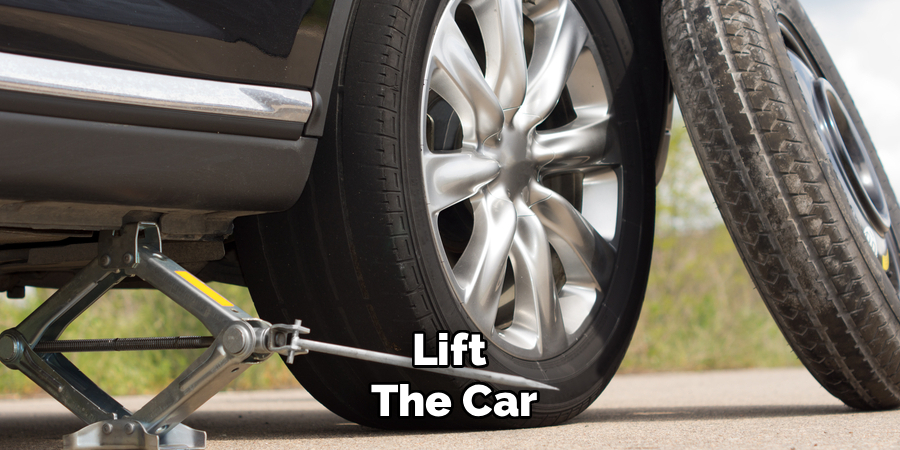
Step 4 : Lift the Car
Slowly lift the car using the jack until the flat tire is 5–10 centimeters (2–4 inches) off the ground. There is no need to lift it higher.
Stop as soon as the tire clears the ground. Shake the car gently from a safe distance to check stability. Never put any part of your body under the car while it is lifted.
Step 5 : Remove Lug Nuts and Flat Tire
Now remove the lug nuts completely, turning them counter-clockwise. Keep them in a safe place, like a small container or pocket.
Carefully pull the flat tire straight off the wheel hub. If it feels stuck, wiggle it gently. Set the tire aside in a safe spot where it won’t roll into traffic.
Step 6 : Mount the Spare Tire
Lift the spare tire and align the holes with the wheel bolts. Push the tire firmly until it is fully seated on the hub. A small wobble is normal at this stage. Do not force it with excessive pressure.
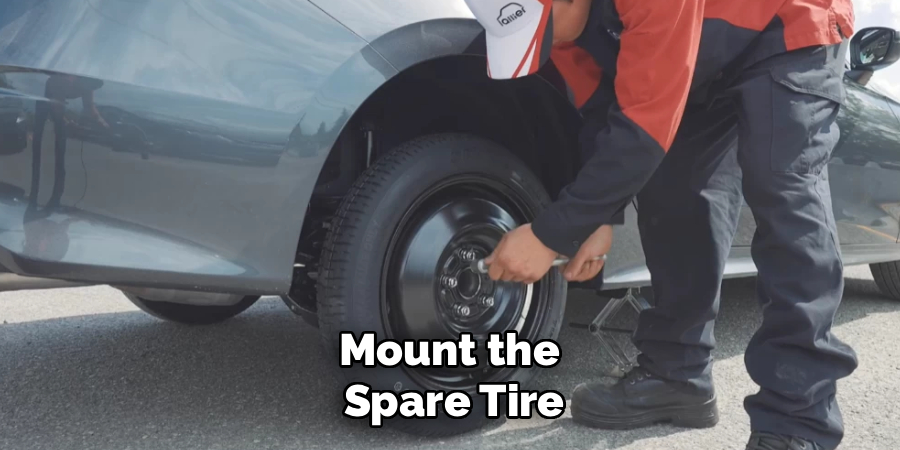
Step 7 : Tighten Lug Nuts by Hand
Screw the lug nuts back on by hand first, turning clockwise. Use a star pattern (for five-lug wheels: 1 → 3 → 5 → 2 → 4) to ensure even pressure and proper seating. This prevents wobbling and uneven stress on the wheel.
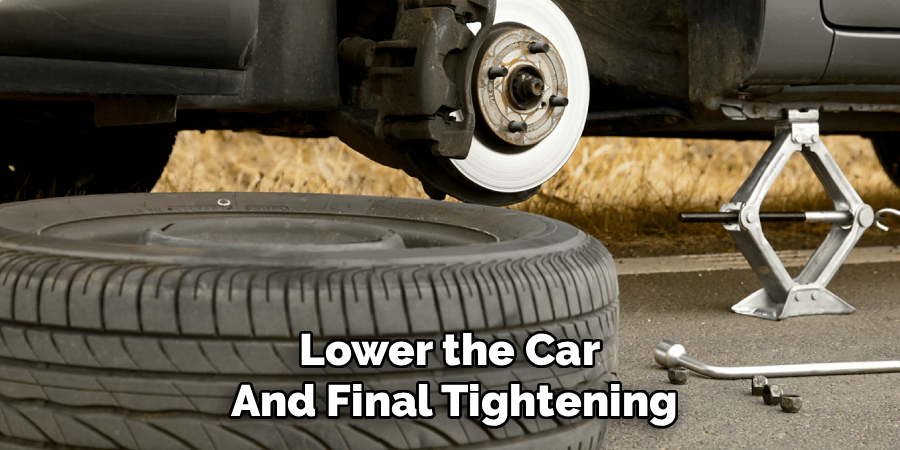
Step 8 : Lower the Car and Final Tightening
Lower the car slowly until it rests fully on the ground. Remove the jack.
Use the lug wrench to tighten the nuts completely, again following the star pattern. Apply firm, steady pressure without overtightening.
Step 9 : Check Tire Pressure
Check the spare tire’s air pressure with a tire pressure gauge. Many spares, especially donuts, have lower air pressure than regular tires. Inflate if necessary according to your car’s manual.
Drive cautiously on the spare and follow the safe driving limits: donut spares should not exceed 80 km/h (50 mph) or 80–100 km (50–60 miles). Full-size spares can be driven normally but should still be replaced with a regular tire as soon as possible.
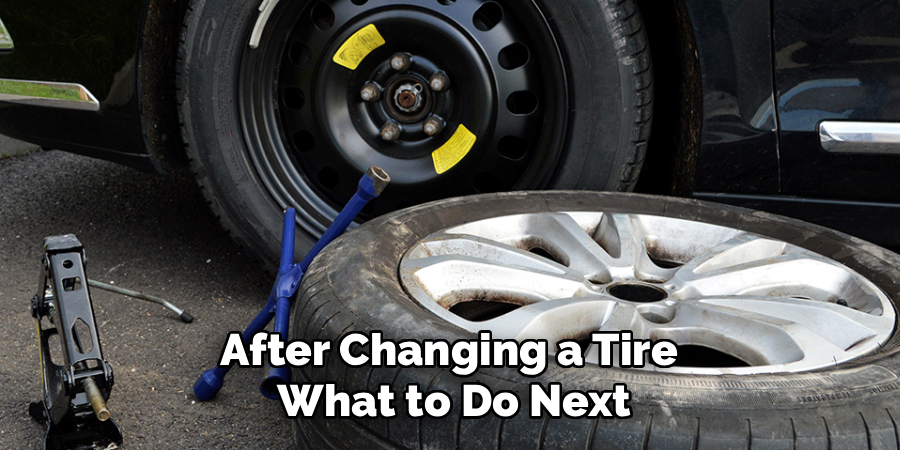
After Changing a Tire What to Do Next
Once the spare tire is installed and the car is back on the ground, there are a few important steps to follow after changing a tire. A spare, especially a donut spare, is only a temporary solution. Driving long distances on it can damage the tire, affect handling, and put stress on your vehicle’s suspension. Keep your driving limited until you can get the original tire repaired or replaced.
The next step is to visit a tire shop as soon as possible. A professional can inspect the flat tire to see if it can be repaired or if it needs a full replacement. Even if the flat was caused by a small puncture, an expert check ensures your safety on the road.
It’s also a good idea to check your wheel alignment. Hitting a pothole or curb often causes minor alignment issues, which can affect steering, tire wear, and overall handling. A quick alignment check can prevent uneven wear on your tires and improve vehicle safety.
Finally, store your tools properly. Place the flat tire, jack, lug wrench, and any other equipment back in the trunk or their designated spots. Keeping everything organized ensures you are ready for the next emergency. Taking these steps after changing a tire ensures your car is safe to drive and helps prevent future problems.
How Long Can You Drive on a Spare Tire?
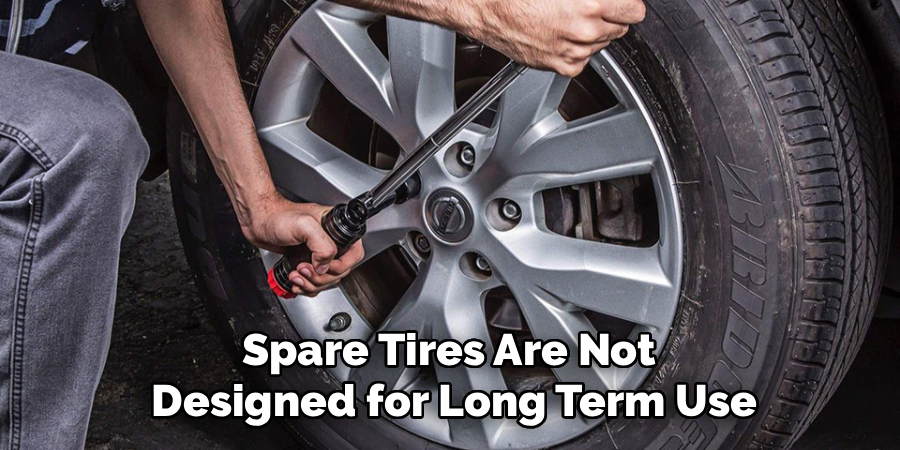
Knowing how far you can safely drive on a spare tire is important for both your safety and your car’s condition. Spare tires are not designed for long-term use, and driving beyond their limits can cause accidents or damage.
There are two main types of spare tires: donut spares and full-size spares. Donut spares are smaller, lighter, and intended only for temporary use. They should not be driven at high speeds and are typically limited to around 80 km/h (50 mph). Full-size spares are the same as your regular tire, so they can be driven more normally, but it’s still best to get the original tire repaired or replaced as soon as possible.
In terms of distance, donut spares should generally not exceed 80–100 km (50–60 miles). Full-size spares can handle longer distances, but extended use should be avoided to prevent uneven wear or strain on your car.
Ignoring these limits can lead to tire failure, reduced control, and potential damage to your vehicle’s suspension or braking system. Always treat a spare as a temporary solution and drive carefully until you can replace or repair the original tire.
Common Mistakes When Changing a Tire
Even though changing a tire is a simple process, many people make common mistakes that can lead to accidents, injuries, or damage to the car. Being aware of these errors can help you avoid them and make the process safer and smoother.
One frequent mistake is placing the jack on soft or uneven ground. This can cause the car to shift or the jack to sink, making the car unstable and increasing the risk of it falling. Always use a flat, solid surface or place a piece of wood under the jack if needed.
Another common error is forgetting to apply the handbrake. Even a slight slope can cause the car to roll while you are changing the tire, which is extremely dangerous. Always engage the handbrake and, if possible, use wheel wedges for extra safety.
Many people lose lug nuts during the process. Keep them in a container or pocket to prevent misplacement, as missing lug nuts make it impossible to secure the spare properly.
Overtightening the lug nuts is another mistake. Tightening too much can strip the threads or make it difficult to remove the nuts later. Use steady, firm pressure and follow the recommended star pattern.
Finally, some drivers stand too close to traffic lanes while working. Always position yourself on the safe side of the car, away from passing vehicles, and use hazard lights or reflective triangles to alert other drivers.
Avoiding these mistakes ensures a faster, safer, and more effective tire change.
How to Change a Tire in Special Situations
Changing a tire can be more challenging in certain situations. Knowing practical tips for these scenarios helps you stay safe and complete the task efficiently.
At Night
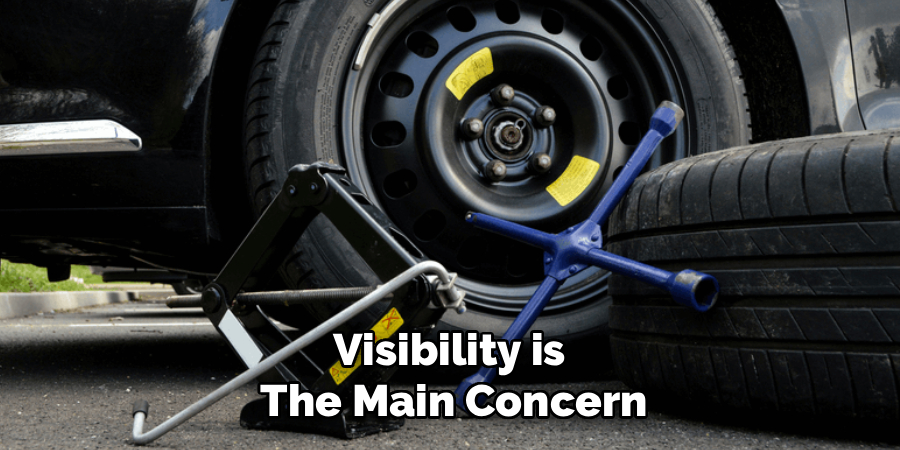
If your tire goes flat after dark, visibility is the main concern. Use a flashlight or your phone light to see clearly, and wear reflective clothing if possible. Turn on your hazard lights and place a reflective warning triangle behind your car to alert other drivers. Keep your tools organized and within reach so you don’t fumble in the dark. Working slowly and deliberately is more important than rushing.
On Highway
Highway tire changes are high-risk due to fast-moving traffic. Pull over as far off the road as possible ideally onto a wide shoulder or emergency lane. Turn on hazard lights immediately. If the road is too busy or unsafe, it’s better to call roadside assistance rather than attempt a change. If you must proceed, stay aware of passing vehicles, keep all passengers safely away from the road, and work quickly but carefully.
In Rain
Wet conditions make tools slippery and the ground soft, which can cause the jack to sink. Place a flat piece of wood or solid object under the jack for stability. Dry your hands before gripping the lug wrench to prevent slipping. Use caution when handling the spare tire, as wet tires can be harder to control. Wearing waterproof gloves and a raincoat can help you stay comfortable and maintain grip.
In Mud or Sand
Soft surfaces make it difficult to stabilize the jack. Before lifting, place a sturdy object like a wooden board or car mat under the jack. Keep the spare tire and tools clean by setting them on solid ground or a mat if possible. Lift the car slowly and avoid sudden movements that could make the jack tip. Extra patience is key in these conditions.
By adapting your approach to these real-life situations, you can safely and effectively change a tire no matter where you are or what the conditions are. Taking small precautions goes a long way in preventing accidents or damage to your vehicle.
When You Should NOT Change a Tire Yourself
While changing a tire is usually straightforward, there are situations where it is safer to avoid doing it yourself. The most important rule is to prioritize your safety over saving time or money.
If you are on a busy highway, changing a tire puts you at risk of being hit by fast-moving vehicles. Similarly, if there is no safe space to pull over—such as narrow roads, steep slopes, or soft ground it is better not to attempt the change.
Another reason not to do it yourself is if you don’t have a spare tire or the proper tools. Trying to drive on a flat without a spare can damage your car and create a dangerous situation. Bad weather, like heavy rain, snow, or strong winds, also increases the risk of slipping, losing control of tools, or having poor visibility.
In any of these cases, the safest option is to call roadside assistance. Professionals have the right equipment, experience, and safety measures to handle the situation quickly and securely. Remember: a delay caused by waiting for help is far safer than risking injury or damage to your vehicle.
Tire Maintenance Tips to Avoid Flats
Regular tire maintenance is the best way to prevent flat tires and keep your car safe on the road. Small habits can make a big difference in extending the life of your tires and avoiding emergencies.
First, check your tire pressure monthly. Tires naturally lose air over time, and driving on underinflated tires increases the risk of punctures, uneven wear, and poor handling. Always follow the pressure recommended in your car’s manual or on the driver’s door sticker.
Rotate your tires every 8,000–10,000 kilometers (5,000–6,000 miles) to ensure even wear. This helps all tires last longer and maintains better traction, reducing the chance of a blowout.
Avoid overloading your car, as carrying too much weight puts extra stress on the tires and increases the likelihood of flats. Check your vehicle’s maximum load capacity and distribute weight evenly.
Replace old or worn tires promptly. Tires older than 5–6 years, or those with visible cracks or low tread, are much more prone to punctures.
Finally, perform a visual inspection regularly. Look for nails, glass, sharp debris, bulges, cuts, or uneven wear. Catching problems early can save you from being stranded on the road.
Consistent tire maintenance not only prevents flats but also improves fuel efficiency, handling, and overall driving safety. Making these small checks a habit ensures your tires stay in good condition and ready for the road at all times.
FAQs About How to Change a Tire
Here are some common questions people ask about changing a tire, with simple answers to help you feel confident and prepared.
Can a woman change a tire alone?
Absolutely. Changing a tire is about knowledge, not strength. Most of the work involves loosening lug nuts, positioning the jack, and following the steps carefully. Many women successfully change tires on their own, and practicing once at home can make it even easier in an emergency.
Is it hard for beginners?
Not at all. The process may seem intimidating at first, but once you follow the steps—loosen lug nuts, lift the car, remove the flat, and install the spare—it becomes straightforward. Taking your time and practicing once or twice in a safe environment will help you gain confidence.
How long does it take?
For most beginners, changing a tire takes about 15–30 minutes. With experience, it can be done faster. The key is to follow each step carefully rather than rushing. Rushing increases the chance of mistakes or injuries.
Is changing a tire bad for the car?
No, if done correctly. Using the proper jack points, tightening lug nuts evenly, and following safety steps ensures that your car is safe. Problems only occur if the jack is placed incorrectly, lug nuts are overtightened, or safety precautions are ignored.
Can I use a different brand spare?
Yes, as long as the spare is the correct size and type for your car. A donut spare or full-size spare from a different brand can be used temporarily. However, make sure the bolt pattern and diameter match, and avoid driving long distances on a temporary spare.
Conclusion
Knowing how to change a tire is an essential skill that can save you time, money, and stress. Flat tires can happen to anyone, anywhere, and being prepared means you are not dependent on roadside assistance or waiting in unsafe conditions.
The best way to build confidence is to practice at home in a safe environment. Familiarize yourself with your car’s jack, spare tire, and lug wrench so that when a real emergency happens, you can handle it calmly and efficiently.
By following the step-by-step process, checking safety precautions, and performing regular tire maintenance, you can stay safe on the road and reduce the risk of accidents. Remember, changing a tire is not difficult—it’s a practical skill that anyone can learn. With a little preparation, you can face flat tires with confidence and peace of mind.
Visit to my site for more blog